Mumbai to Malshej Ghat Monsoon Road Trip Guide 2026

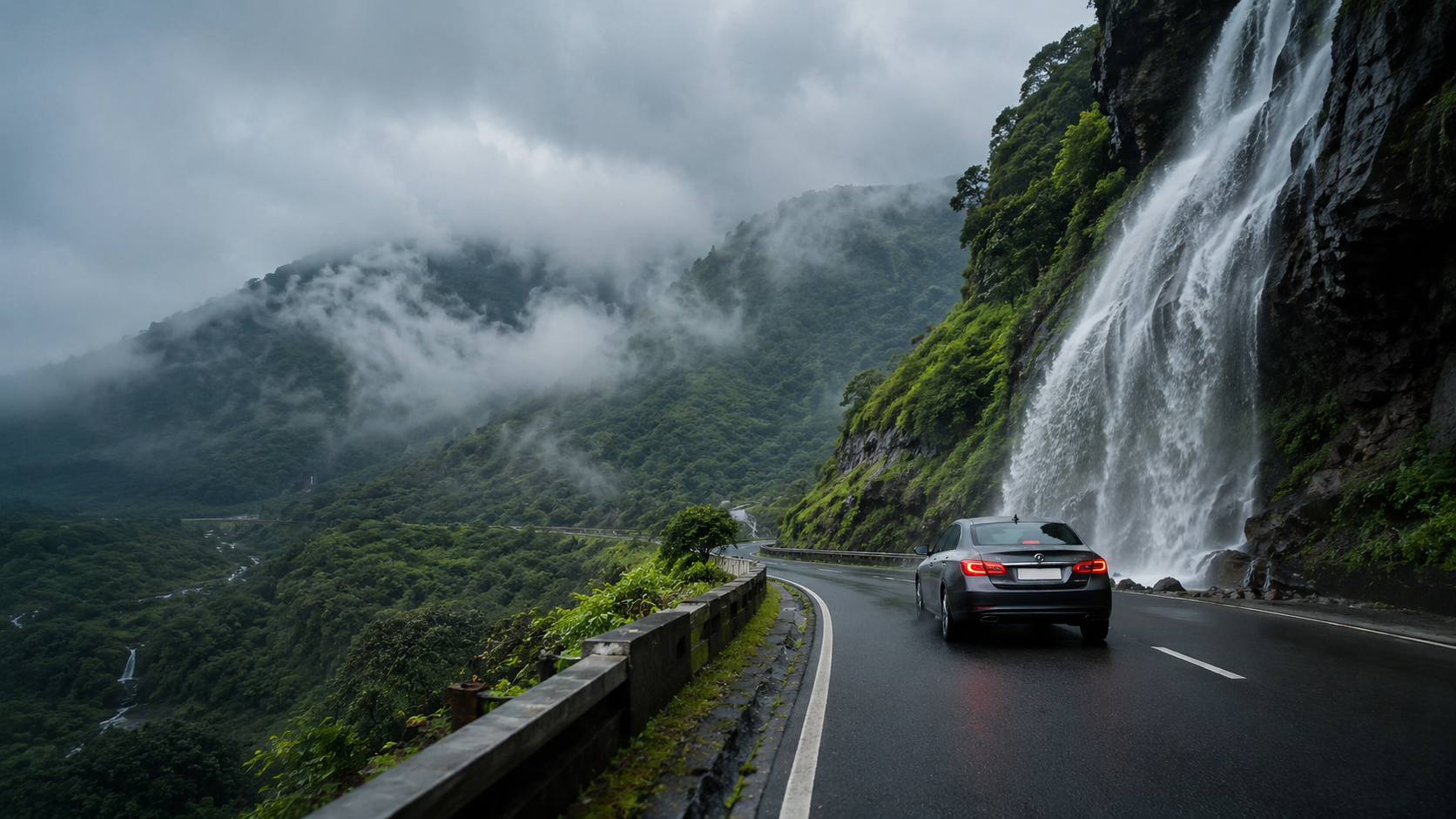
If you only make one monsoon drive from Mumbai this year, make it this one. Malshej Ghat in the rains is a genuinely different place from the dry, brown hillside you’d see in April — waterfalls appear out of nowhere on the cliff faces, clouds drift right across the road, and in a good year, flocks of flamingos show up at the nearby backwaters. It’s less commercialised than Lonavala, which means the drive itself still feels like an adventure rather than a queue.
This guide covers everything you need for a Mumbai to Malshej Ghat monsoon road trip — the route to take, where to stop for the best waterfall views, what the drive is actually like in heavy rain, and the safety precautions that matter most on this particular route. Let’s get you there and back safely, with the best of the monsoon in between.
Quick Information
| Detail | Information |
|---|---|
| Distance | Approx. 130–150 km via Kalyan and Murbad |
| Driving Time | 3–4 hours in monsoon (longer than dry-season timing due to reduced speeds) |
| Best Time to Drive | Early morning departure; avoid driving the ghat section after dark in heavy rain |
| Best Season for This Route | July to September, for the fullest waterfalls and (possible) flamingo sightings |
| Route Options | Via Kalyan–Murbad–Otur (standard, most used) or via Kalyan–Ahmednagar Highway (slightly longer, well-maintained) |
| Toll Cost (one-way, car) | Minimal to none on most of this route; check for any local toll points |
| Fuel Cost (round trip, car) | Approx. ₹1,000–1,600 depending on vehicle and current fuel prices |
| Difficulty Level | Moderate — manageable roads, but monsoon fog and slippery patches need real caution |
Toll and fuel figures change periodically — always check current rates before you set off.
Why Drive to Malshej Ghat Specifically in Monsoon
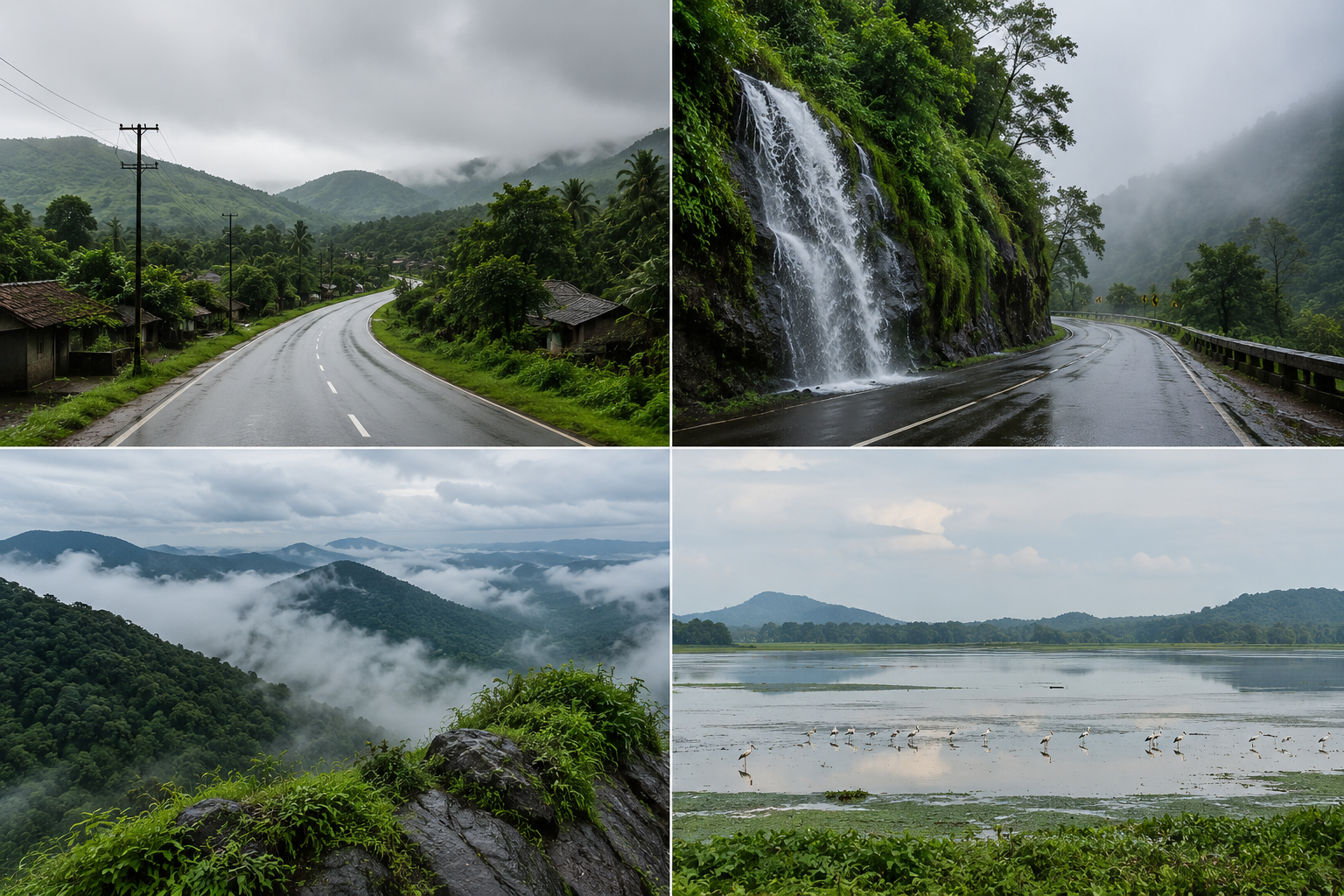
Malshej Ghat is a fairly ordinary hill pass for most of the year, but monsoon is when it earns its reputation. Numerous seasonal waterfalls appear directly on the rock faces beside the road, visible without any trekking required. Cloud cover regularly drifts across the highway itself, giving the drive an almost otherworldly feel. And in years with good rainfall, the Pimpalgaon Joga dam backwaters nearby attract migratory flamingos — though this isn’t guaranteed every season, so treat it as a bonus rather than the main reason for your trip.
Which Route Should You Take?
Via Kalyan–Murbad–Otur (Recommended)
This is the most commonly used route, heading out of Mumbai through Thane and Kalyan, then via Murbad toward the ghat itself. It’s a mix of highway and state road, generally well maintained, though narrower and more village-heavy through the Murbad stretch — expect to slow down for local traffic.
Best for: Most travellers, including families and first-timers on this route.
Via Kalyan–Ahmednagar Highway
A slightly longer alternative that joins the main Ahmednagar highway before cutting up toward the ghat. Wider road for a larger stretch of the journey, though it adds some distance compared to the Murbad route.
Best for: Drivers who prefer wider roads for a larger part of the journey, even at the cost of a few extra kilometres.
A practical tip: Whichever route you choose, try to time your drive through the ghat section itself for daylight hours — visibility in monsoon fog can drop very quickly, and this stretch has limited street lighting.
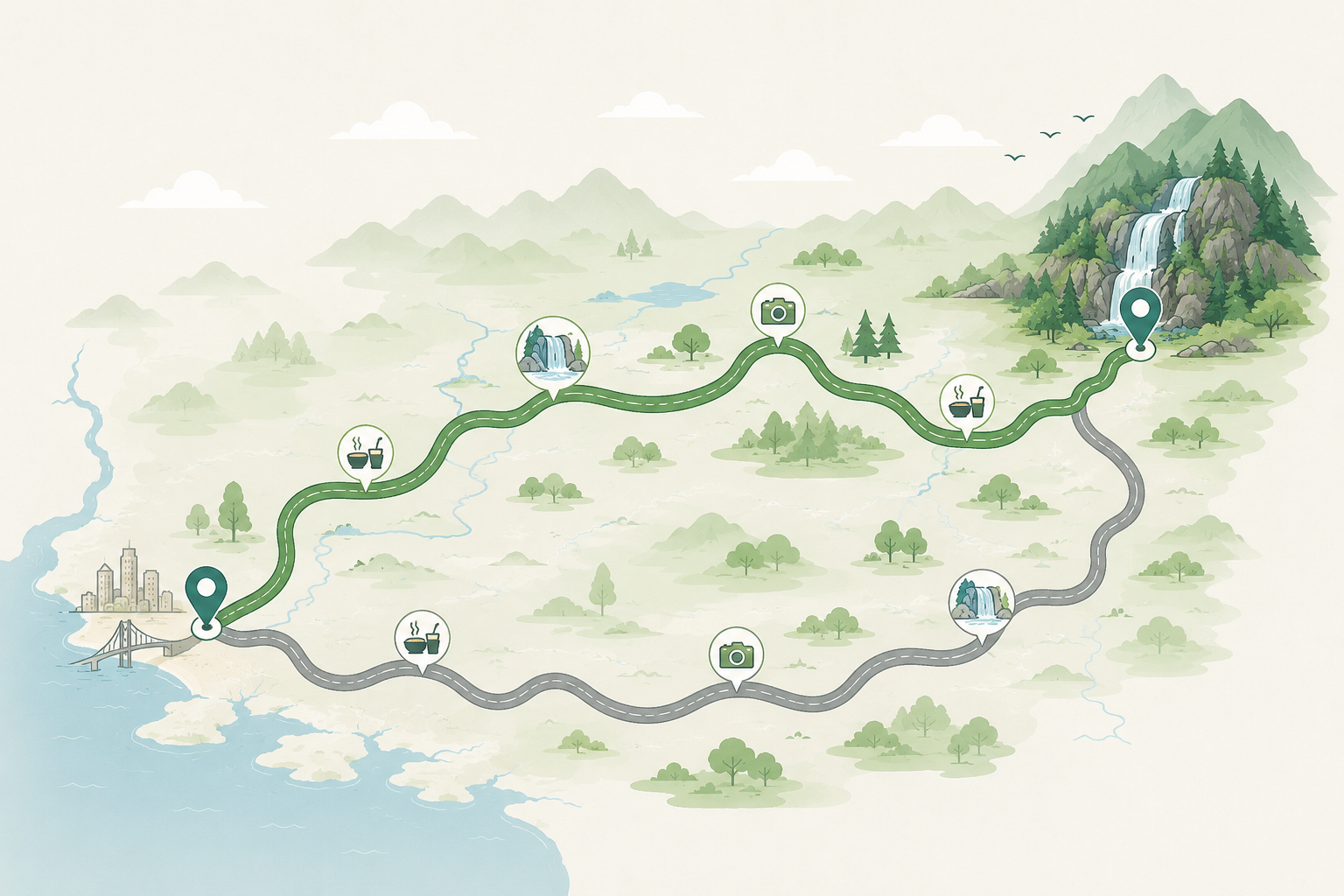
Step-by-Step Route Breakdown (Via Kalyan–Murbad)
1. Mumbai to Kalyan (approx. 45 km) Head out via Thane and the Kalyan-bound highway. This stretch can be slow during city traffic hours, so an early start helps.
2. Kalyan to Murbad (approx. 30 km) A state road stretch that narrows through smaller towns and villages — drive attentively, as local traffic, two-wheelers, and occasional livestock share the road.
3. Murbad to Malshej Ghat base (approx. 40 km) The road opens up into more rural, scenic terrain as you approach the ghat, with the first hints of the hills and waterfalls beginning to appear.
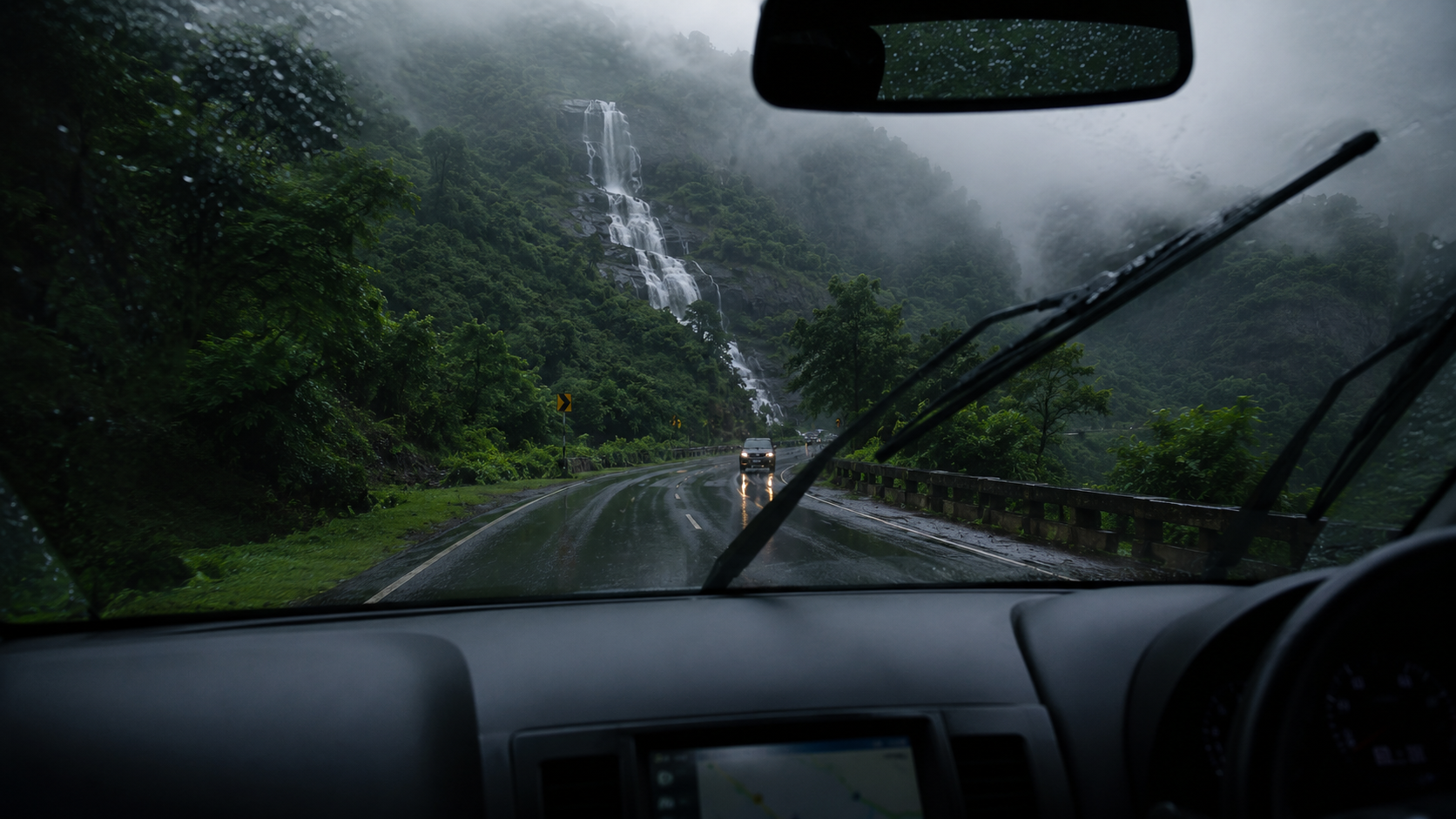
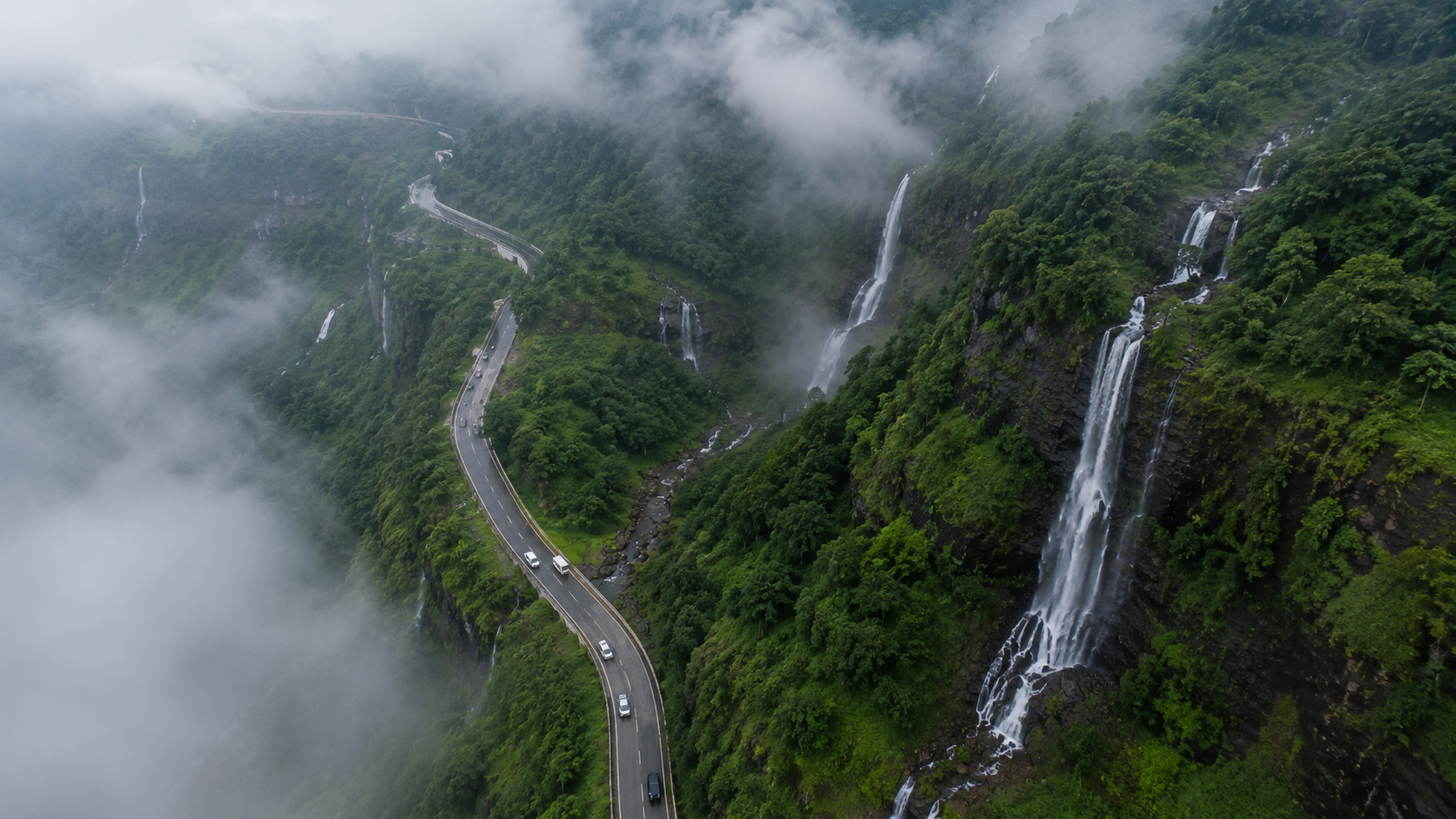
4. Malshej Ghat climb (approx. 15–20 km) The main event — a winding ghat road with multiple roadside waterfalls, viewpoints, and, on a good monsoon day, clouds drifting directly across your path. This section demands slow, careful driving.
Best Stops Along the Way
Waterfall & Photo Stops
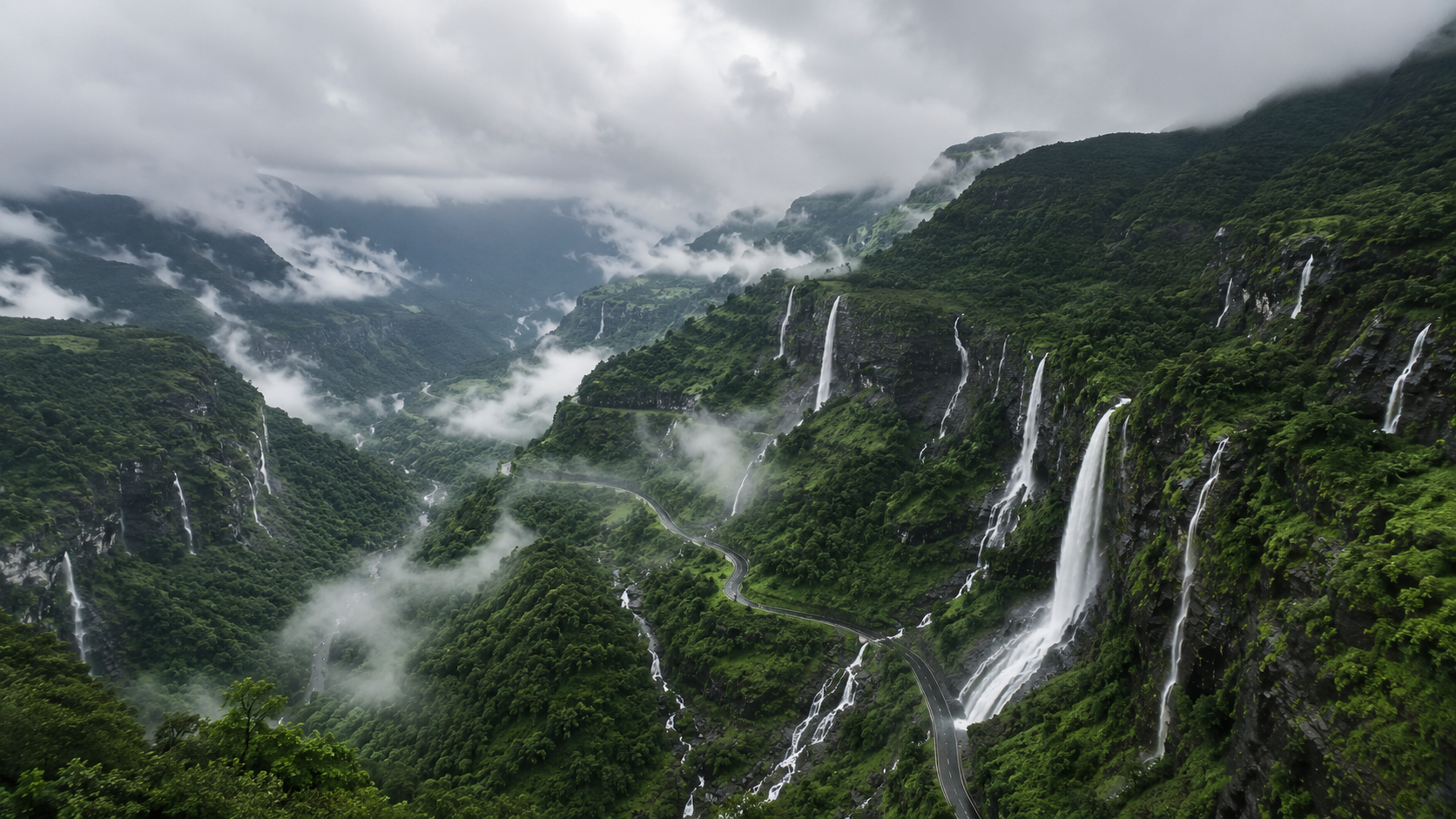
- Roadside waterfalls along the ghat climb: Multiple seasonal waterfalls appear directly beside the road in peak monsoon — pull over only at designated, safe stopping points, never on blind curves.
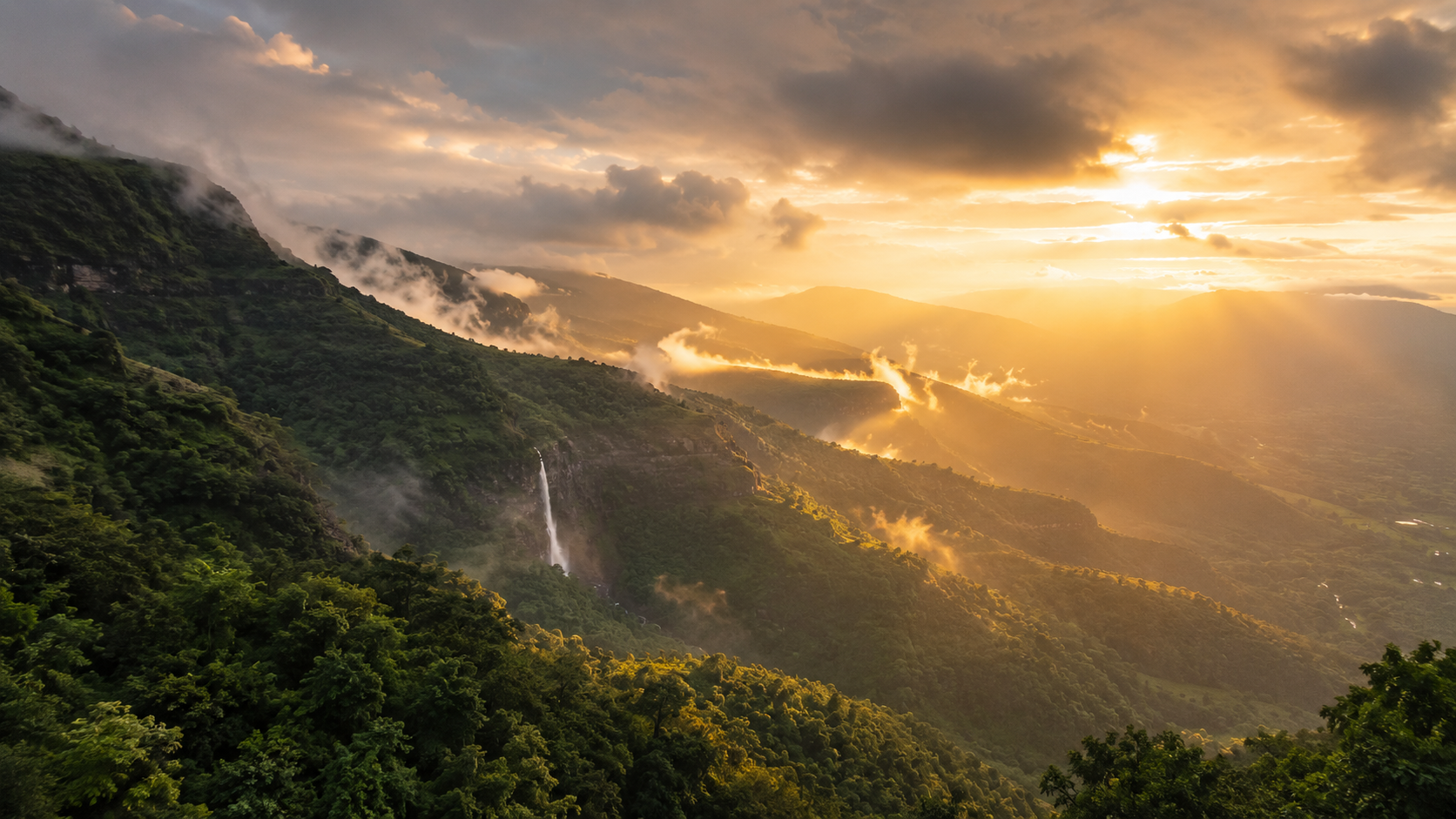
- Malshej Ghat viewpoint: The main viewpoint partway up the ghat offers the best combination of valley views and waterfall photography.
- Pimpalgaon Joga Dam (Flamingo Point): A short detour off the main route, worth checking if you’re hoping to spot migratory flamingos — sightings vary by year and rainfall.
Food Stops
- Murbad roadside dhabas: A good stop for a proper meal before the climb — expect simple, filling Maharashtrian food.
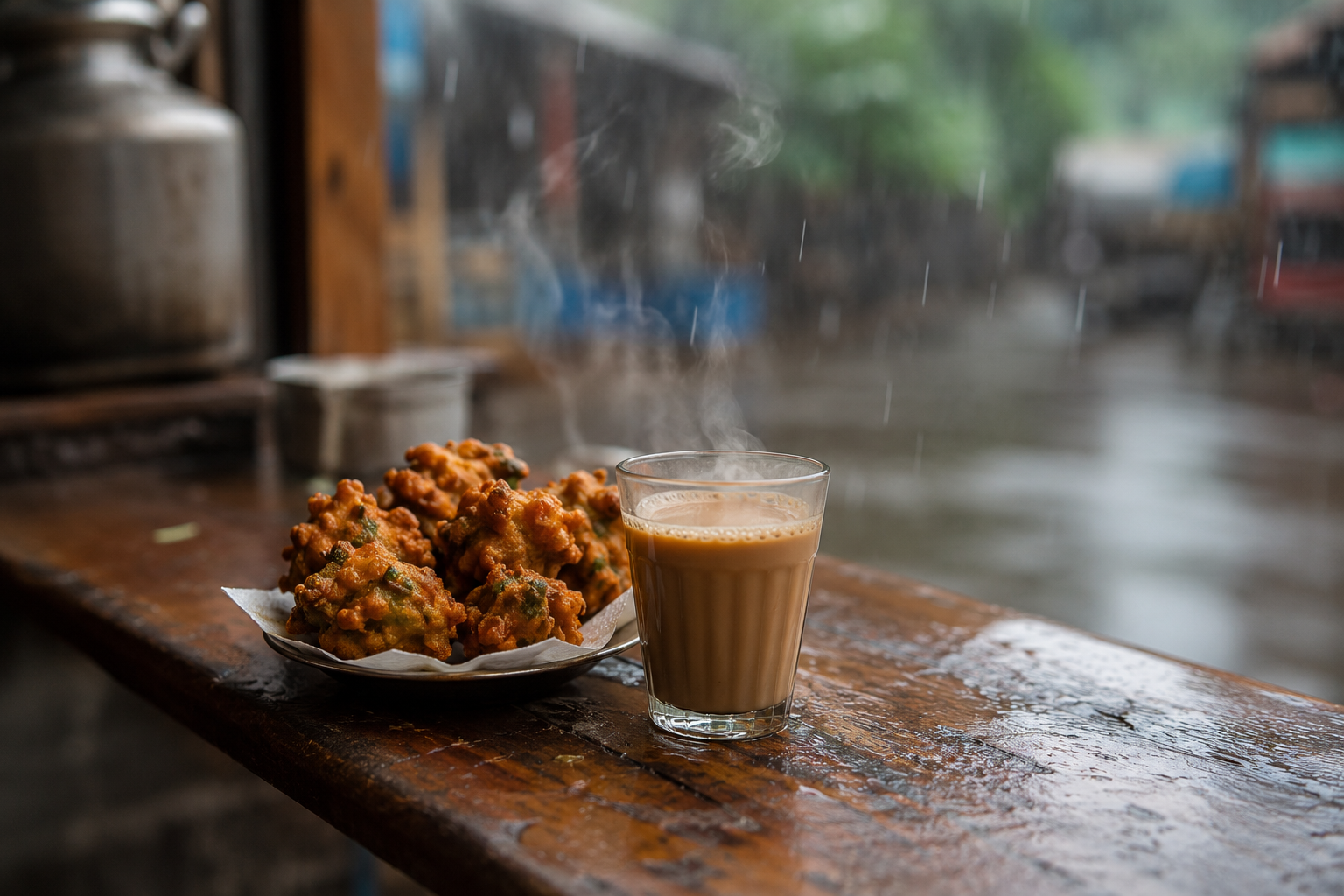
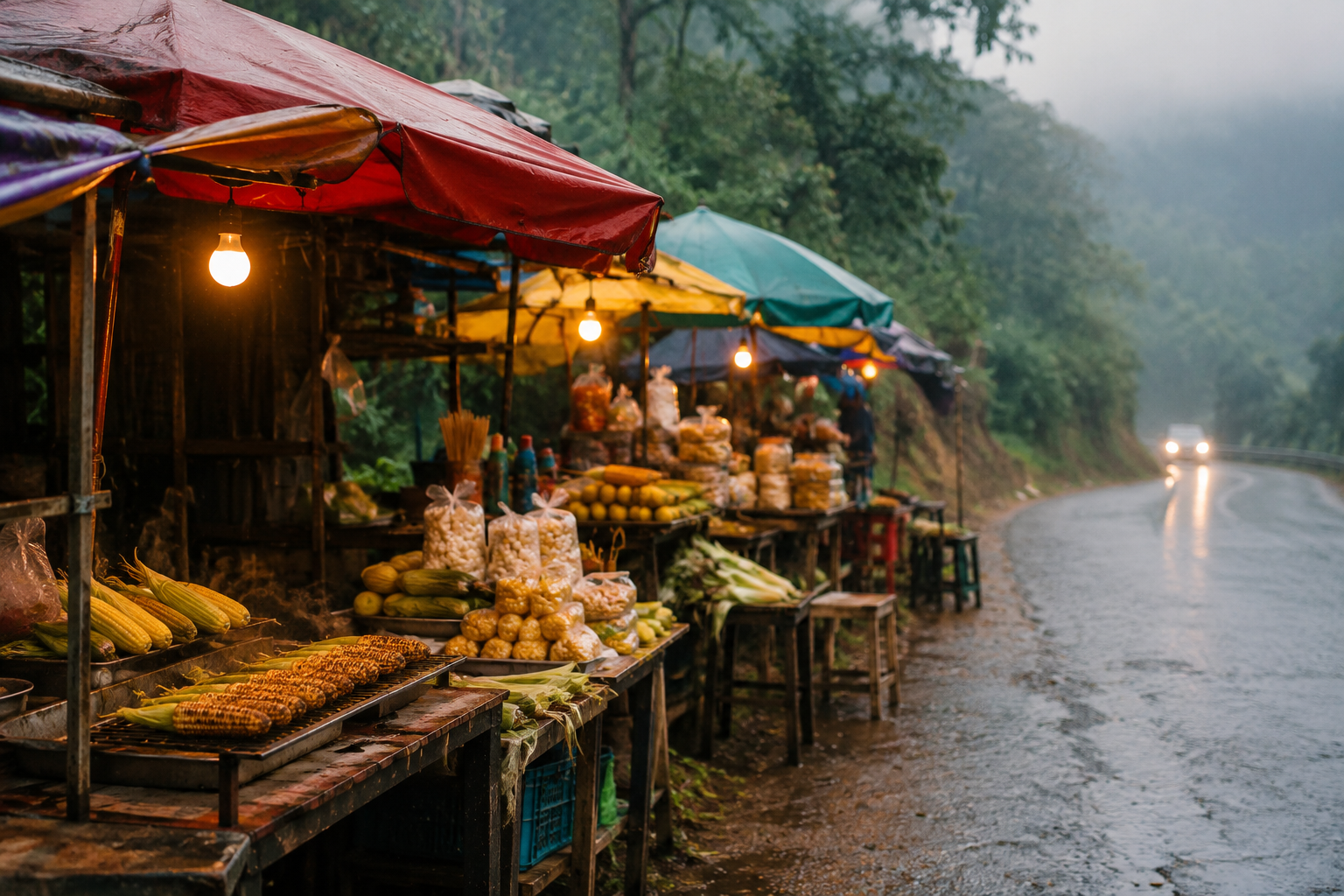
- Ghat-road tea and corn stalls: Once you’re on the climb itself, small stalls sell hot corn, bhajiya, and chai — a genuine monsoon-drive essential.
- Otur village eateries: A quieter option if you’re approaching from the Ahmednagar highway side.
Quick Breaks
- Murbad town: The last reliable point for fuel, restrooms, and a full range of shops before the ghat itself.
- Shirpunje village viewpoint: A quieter, lesser-known stop near the ghat for those wanting a break from the more crowded main viewpoint.
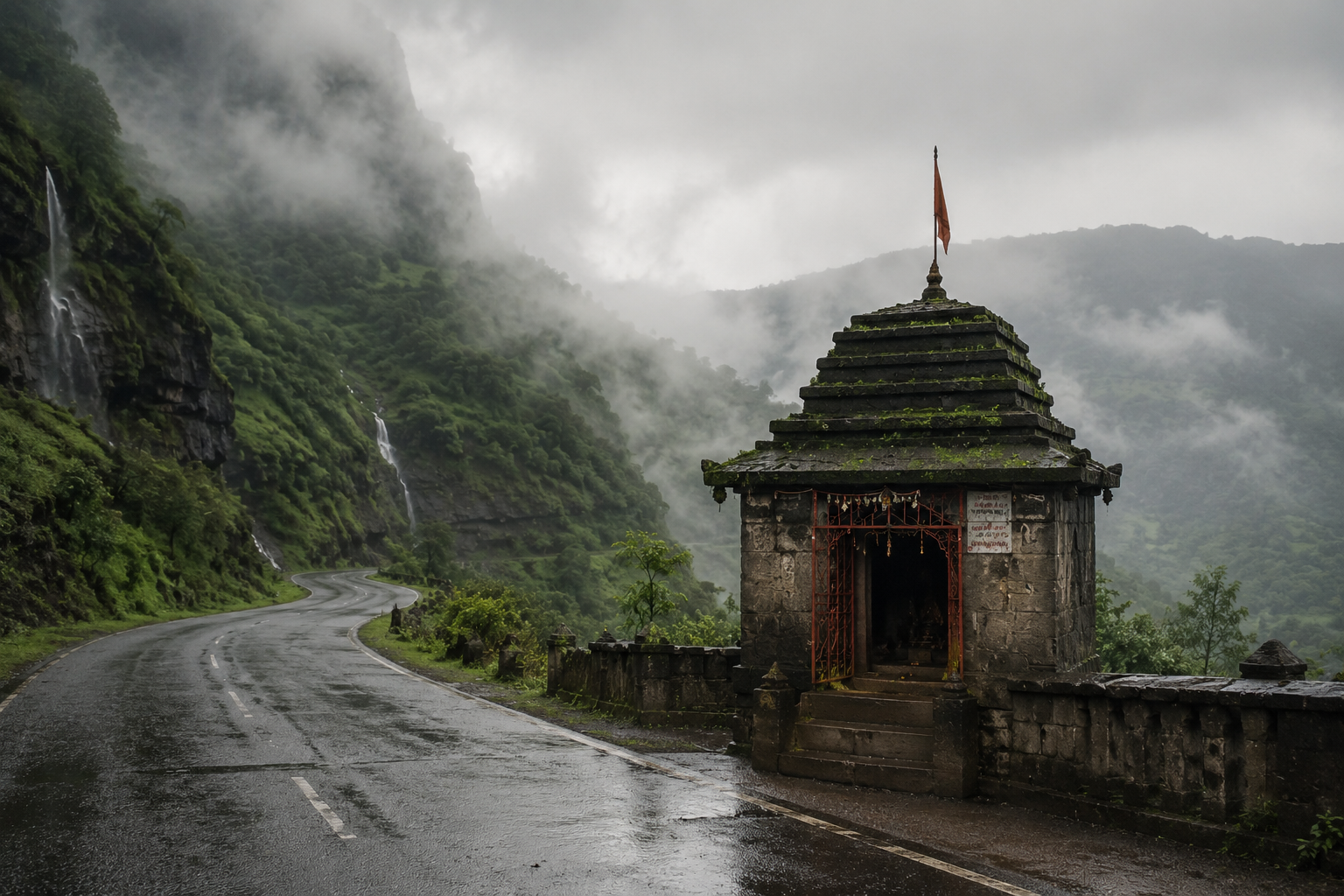
- Small wayside temples near Murbad: A few modest roadside temples along the route make for a quick, peaceful stop if you’d like a short break from driving.
Toll & Fuel Cost Breakdown
| Item | Approximate Cost |
|---|---|
| Toll (this route has minimal to no major tolls) | ₹0–100, confirm locally |
| Fuel (round trip, average car, approx. 280–300 km total) | ₹1,000–1,600 |
| Parking near main viewpoints | ₹30–100 |
| Estimated total driving cost (round trip) | ₹1,100–1,800 |
This route generally has fewer tolls than the Lonavala or Mahabaleshwar routes, but always confirm current charges locally, as toll points can be added or revised.
What to Do Once You Arrive at Malshej Ghat
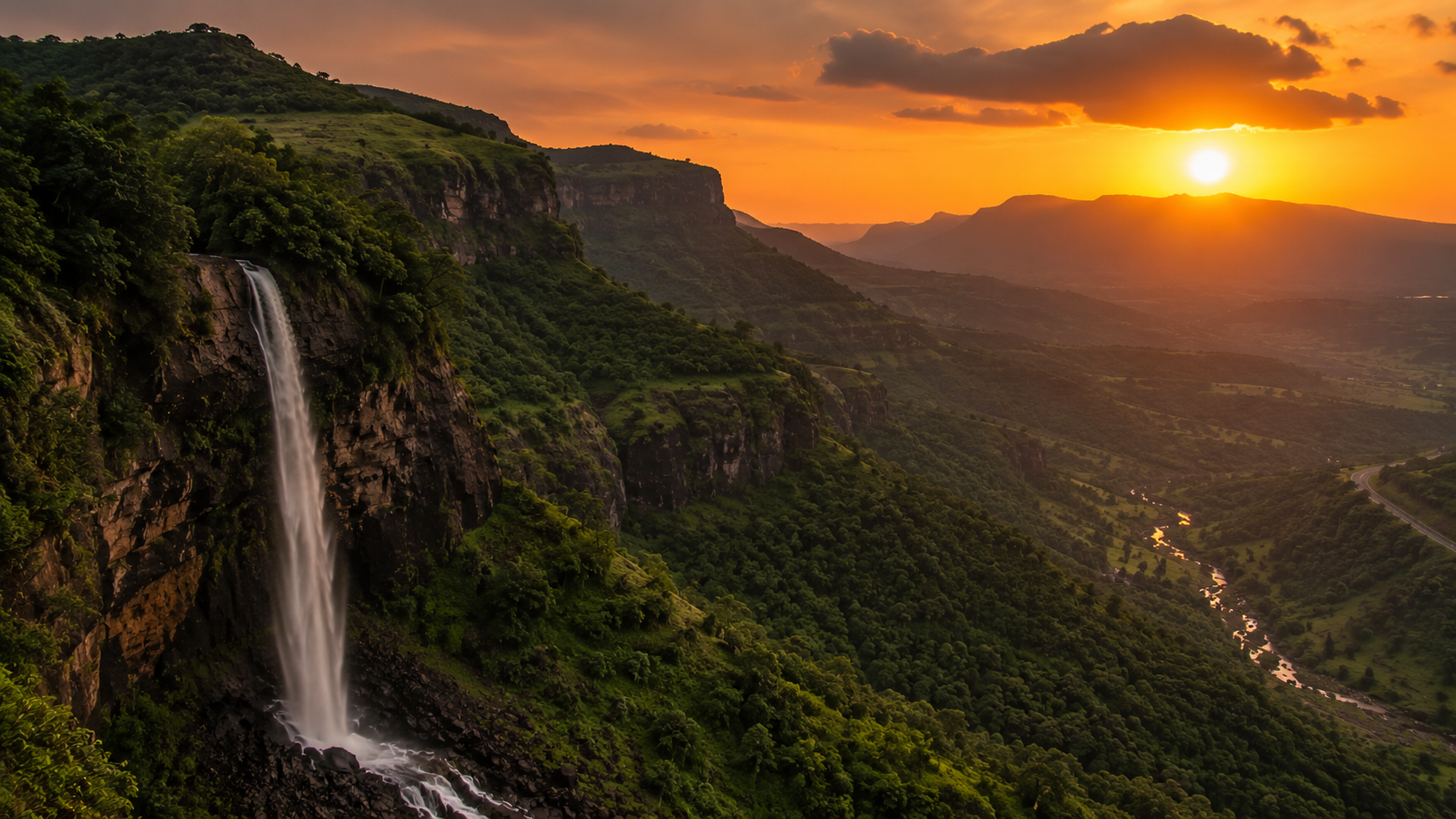
- Drive slowly along the full ghat stretch to take in the roadside waterfalls — this is genuinely one of the best monsoon drives near Mumbai.
- Visit the main Malshej Ghat viewpoint for valley photography.
- If you’re an experienced trekker, consider the demanding Harishchandragad Fort trek (only for fit, well-prepared trekkers in good weather).
- Check current conditions and reports at Pimpalgaon Joga Dam for a chance at flamingo sightings.
- Enjoy a simple roadside meal — this isn’t a destination for elaborate dining, and that’s part of its charm.
For a complete breakdown of things to do, food, and where to stay near Malshej Ghat, see our full Malshej Ghat destination guide.
Driving & Safety Tips (Monsoon-Specific)
- Check weather and road advisories before you leave — this route can see localised heavy rain and occasional landslide risk in extreme conditions.
- Drive at reduced speed throughout the ghat section; wet roads and fog reduce both visibility and tyre grip significantly.
- Never stop your vehicle on blind curves for waterfall photos — use only marked pull-off points.
- Keep headlights on (not just parking lights) through foggy stretches, even during the day.
- Avoid attempting this drive after dark in monsoon — the combination of fog, narrow sections, and limited lighting makes night driving genuinely risky here.
- Carry a torch, basic tool kit, and a fully charged phone, as network connectivity can be patchy in parts of the ghat.
- If you see standing water across the road, do not attempt to cross without first checking depth and current — flash flooding can occur on this route during heavy rain.
- Riders on two-wheelers should wear full rain gear and reduce speed further than car drivers would, given reduced traction on two wheels.
Suggested Road Trip Itinerary (1–2 Days)
Day 1
- Morning: Depart Mumbai by 6–7 AM via Kalyan and Murbad; breakfast stop in Murbad.
- Late Morning: Begin the ghat climb, stopping at designated waterfall viewpoints along the way.
- Afternoon: Reach the main Malshej Ghat viewpoint; check current conditions for a possible detour to Pimpalgaon Joga Dam.
- Evening: Head back down or check into a stay if continuing to Day 2; enjoy a simple roadside dinner.
Day 2 (if staying overnight)
- Morning: Revisit the ghat viewpoints in different light, or attempt a short, safe trek if conditions and fitness allow.
- Afternoon: Begin the drive back to Mumbai, allowing extra time for the ghat descent in case of rain.
- Evening: Arrive back in Mumbai before dark.
Packing Checklist for the Drive
- Valid driving license, vehicle RC, and insurance documents
- Phone mount and a downloaded offline map as backup, since network connectivity can dip on the ghat
- A basic emergency kit (tyre inflator/puncture kit, torch, jumper cables)
- A good quality raincoat or poncho — umbrellas are largely useless in ghat winds
- Waterproof phone/camera pouch for photography stops
- Cash for small local purchases, as digital payment acceptance can be patchy in remote spots
- Snacks and water for the drive
- A power bank and charging cable
- A spare set of dry clothes
Frequently Asked Questions
1. How long does it take to drive from Mumbai to Malshej Ghat? Around 3 to 4 hours in monsoon, factoring in reduced speeds through the ghat section for safety; it can be somewhat faster outside monsoon.
2. Which route is best for driving to Malshej Ghat? The Kalyan–Murbad–Otur route is the most commonly used and generally recommended, though the Kalyan–Ahmednagar highway is a wider alternative for those willing to add a few extra kilometres.
3. Is it safe to drive to Malshej Ghat during heavy monsoon rain? It’s manageable with caution, but drivers should reduce speed significantly, keep headlights on through fog, avoid crossing standing water without checking depth, and avoid driving the ghat section after dark.
4. Are flamingos guaranteed at Malshej Ghat during monsoon? No — flamingo sightings at the nearby Pimpalgaon Joga backwaters depend on rainfall and water levels each year, so it’s best treated as a possible bonus rather than a guaranteed sighting.
5. What is the best time to start the drive to Malshej Ghat? An early morning start, ideally before 7 AM, gives you the best light for waterfall photography and ensures you complete the ghat section well before evening fog sets in.
6. Are there tolls on the Mumbai to Malshej Ghat route? This route generally has minimal to no major tolls compared to routes like Mumbai to Lonavala or Mahabaleshwar, though it’s worth confirming current charges locally.
7. Can I do the Harishchandragad trek as part of this trip? Yes, but only if you’re an experienced, well-prepared trekker — the trail becomes extremely slippery in monsoon, and this is not a beginner-friendly trek during the rainy season.
8. Are there good food stops along the way? Yes — Murbad has proper dhabas for a full meal, and small roadside stalls along the ghat climb sell corn, bhajiya, and tea, which are genuinely part of the monsoon-drive experience.
9. Is this route suitable for a bike trip? Yes, it’s popular with bikers, but riders should wear full rain gear, reduce speed further than car drivers, and avoid the ghat section after dark or in very heavy rain.
10. Is one day enough for a Mumbai to Malshej Ghat monsoon trip? Yes, a single day works well if you start early, though staying overnight allows you to see the waterfalls and viewpoints in different light and avoid rushing the return drive.
Conclusion
The Mumbai to Malshej Ghat drive in monsoon is one of those trips where the journey genuinely is the destination — waterfalls appearing beside the road, clouds drifting across your windshield, and a ghat pass that still feels wild compared to the more commercialised routes near the city. Just respect the conditions, drive slowly, and time your trip for daylight. Do that, and this remains one of the best monsoon road trips Mumbai has to offer.
Want help planning your Mumbai to Malshej Ghat monsoon trip in more detail? 365 Days Journeys can put together:
- A personalised road trip itinerary based on your dates and group size
- Stay recommendations near Malshej Ghat for every budget
- Group travel planning for friends, families, or photography groups
- Custom route planning, including current road and waterfall condition updates
- A food trail covering the best roadside stops along the way
Get in touch with 365 Days Journeys to plan a Malshej Ghat monsoon drive that’s built around exactly how you like to travel.