Pawna Lake Camping Guide: Everything You Need to Know (2026)

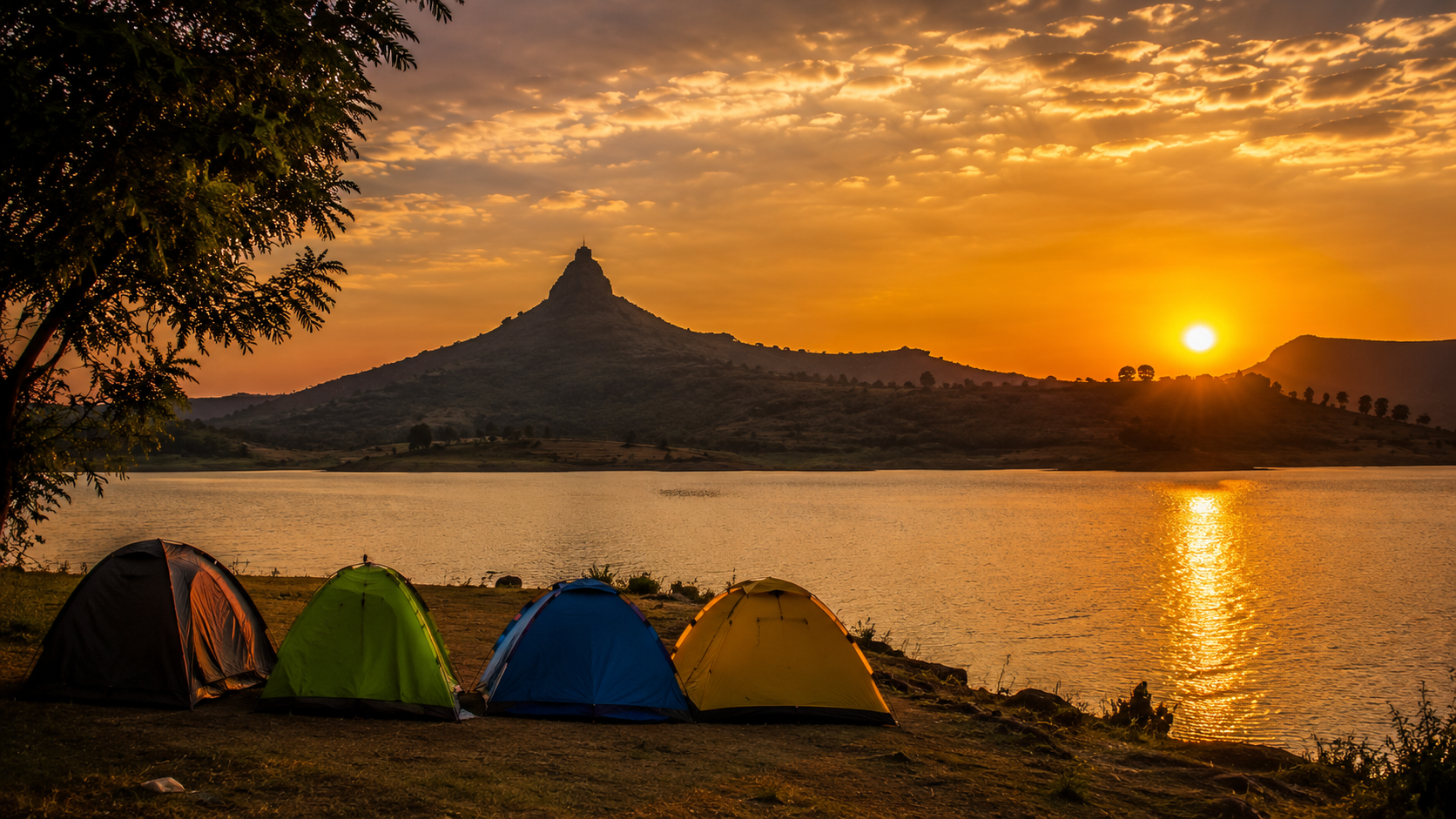
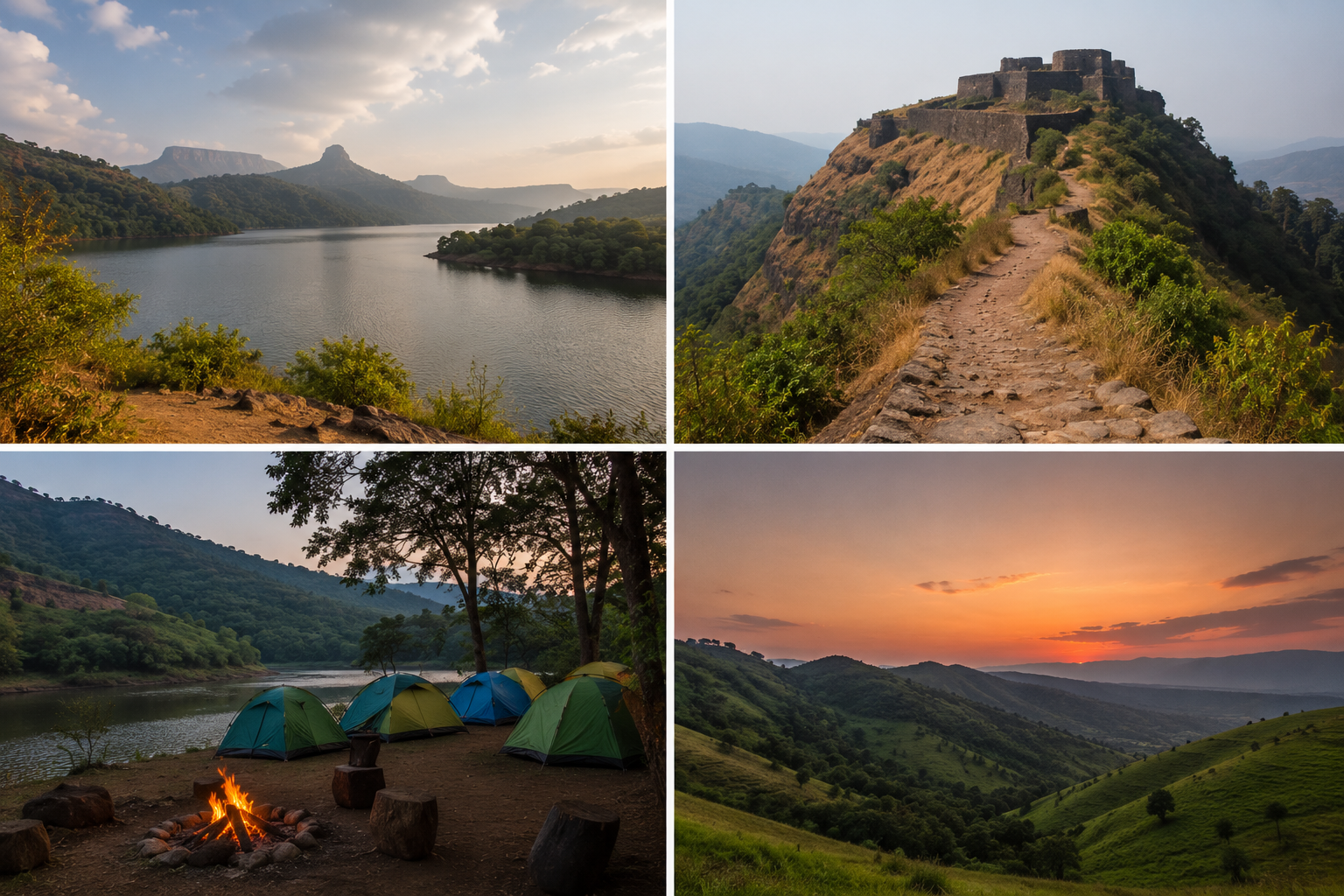
There’s a reason Pawna Lake shows up on almost every “camping near Mumbai” list — a still, hill-fringed lake, a pyramid-shaped fort rising on one side, and a genuinely good chance of a clear night sky once you’re away from the city’s light pollution. It’s become one of the most popular weekend camping spots for Mumbai and Pune, and for good reason: it’s close, it’s scenic, and a night by a bonfire here feels like a real reset.
It’s also a destination where a little planning matters more than usual. This guide covers everything you need to know before you go — what camping here actually costs, which season is best, how to tell a properly registered campsite from an unsafe one, and what else to do around the lake once your tent is set up. Let’s get you ready for a Pawna Lake trip done right.
Quick Information
| Detail | Information |
|---|---|
| Best Time to Visit | October–February for pleasant weather and clear skies; June–September for monsoon scenery (lake levels and access can vary) |
| Ideal Duration | 1 night / 2 days |
| Budget | ₹1,200–3,500 per person (camping package, often including meals) |
| Nearest Airport | Pune Airport (approx. 55–60 km) |
| Nearest Railway Station | Kamshet Railway Station |
| Road Connectivity | Accessible via the old Mumbai–Pune highway, then local roads toward Pawna Dam |
| Best For | Groups of friends, couples, first-time campers, stargazers |
| Difficulty Level | Easy (camping itself); Moderate for the optional Tikona Fort trek |
Prices, access, and lake conditions vary seasonally — always verify current details with your campsite operator before travelling.
Why Visit Pawna Lake
Pawna Lake sits in the Maval region, in the shadow of the Sahyadri hills, formed by the backwaters of the Pawna Dam. What makes it such a popular camping spot isn’t any single big attraction — it’s the combination of easy access from both Mumbai and Pune, genuinely good scenery, and the kind of open, unhurried evening that’s hard to get closer to the city. Add a moderate fort trek right on the doorstep and some of the better stargazing conditions in the region, and it’s easy to see why this has become the default “let’s go camping” answer for a lot of weekend groups.
A Note on Safety: Choosing a Registered Campsite
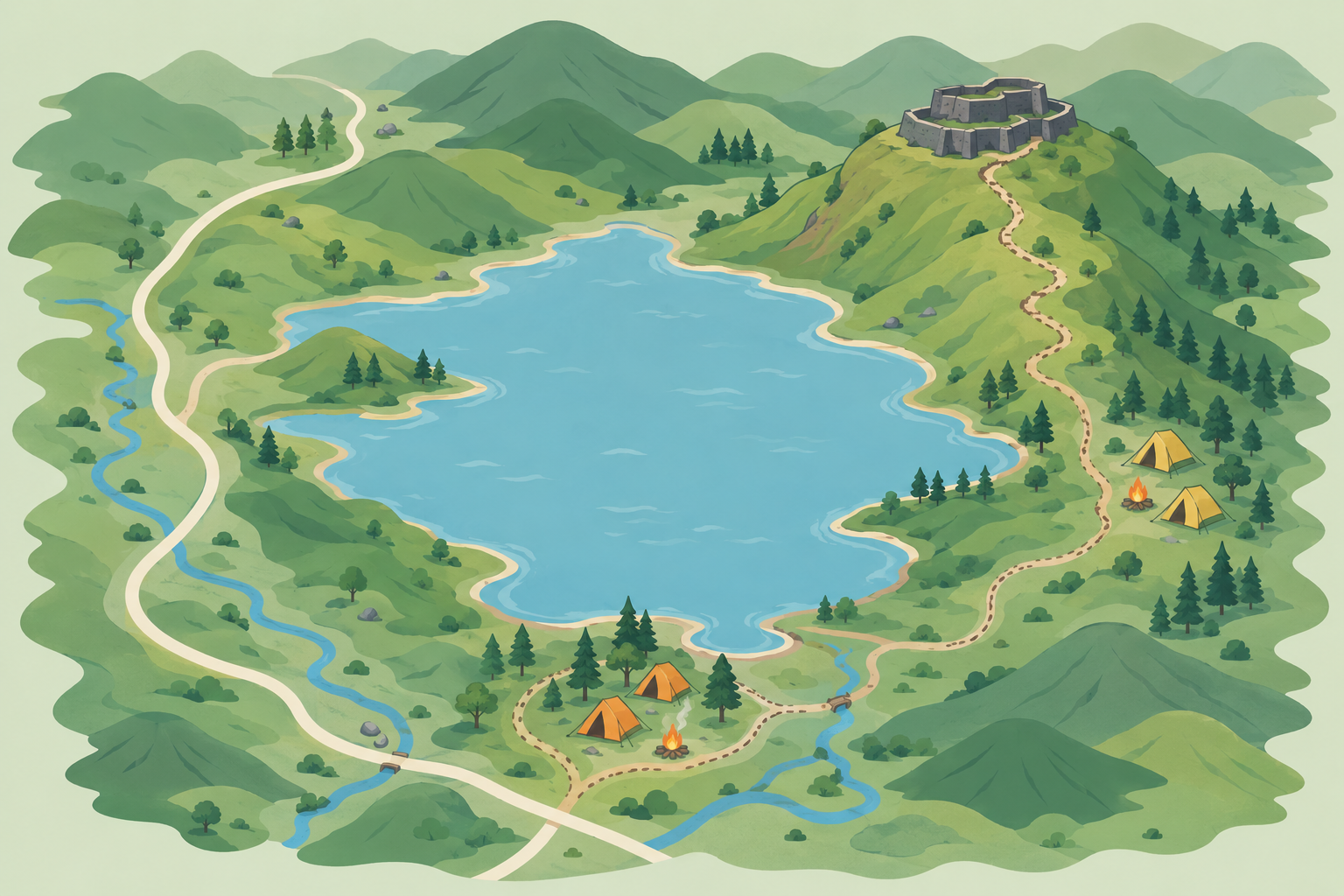
This is worth reading before you book anything. Pawna Lake’s popularity has led to a large number of informal, unregistered campsites springing up directly along the water’s edge over the years — and unregulated camping here has been linked to real safety issues, including drowning incidents and fire hazards from poorly managed bonfires. Local authorities have periodically cracked down on illegal camps set up too close to the water or on private/forest land without permission.
What to look for in a safe, legitimate campsite:
- Registration or recognition with local tourism authorities, or a verifiable, established operating history.
- Campsites set back at a safe distance from the water’s edge, not directly on unstable banks.
- Visible safety measures: life jackets available if boating is offered, a managed and contained bonfire area, and basic first-aid provisions.
- Clear communication about what’s included (tents, meals, activities) before you pay, ideally with a written or app-based booking confirmation.
- Positive, verifiable recent reviews rather than only a large volume of old ones.
A practical rule of thumb: if a “campsite” is just a group of tents thrown up on the open lake edge with no visible organisation, no toilets, and no one you can identify as running the show, treat that as a red flag rather than a bargain.
Camping Options & Price Guide
| Package Type | Approximate Price (per person) | What’s Usually Included |
|---|---|---|
| Basic tent stay (no meals) | ₹500–900 | Tent, sleeping bag/mat |
| Standard camping package | ₹1,200–2,000 | Tent, dinner, breakfast, bonfire |
| Premium camping package | ₹2,000–3,500 | Tent, all meals, bonfire, music/games, sometimes boating |
| Group/corporate camping packages | Custom pricing | Larger tents, team activities, catering — request a quote directly |
These are indicative ranges only — prices vary significantly between operators and by season/demand. Always confirm current rates and inclusions directly with your chosen, verified operator before booking.
Booking tips:
- Book ahead for weekends and long weekends, when good campsites fill up quickly.
- Ask specifically what’s included — tents, bedding, meals, and bonfire wood aren’t always bundled together by default.
- Confirm check-in and check-out timing, as this varies by operator.
- If travelling with a large group, ask about tent capacity per unit rather than assuming.
Best Time to Visit Pawna Lake
October to February (Recommended): Cool, pleasant weather, generally clear skies, and the most reliable conditions for stargazing and comfortable camping.
June to September (Monsoon): The surrounding hills turn a vivid green and the lake itself looks stunning, but water levels can rise and access to some traditional camping spots may be restricted for safety — confirm current conditions with your campsite before booking a monsoon trip.
March to May (Summer): Camping is possible but considerably hotter and less comfortable, particularly for daytime activities.
Things to Do Around Pawna Lake
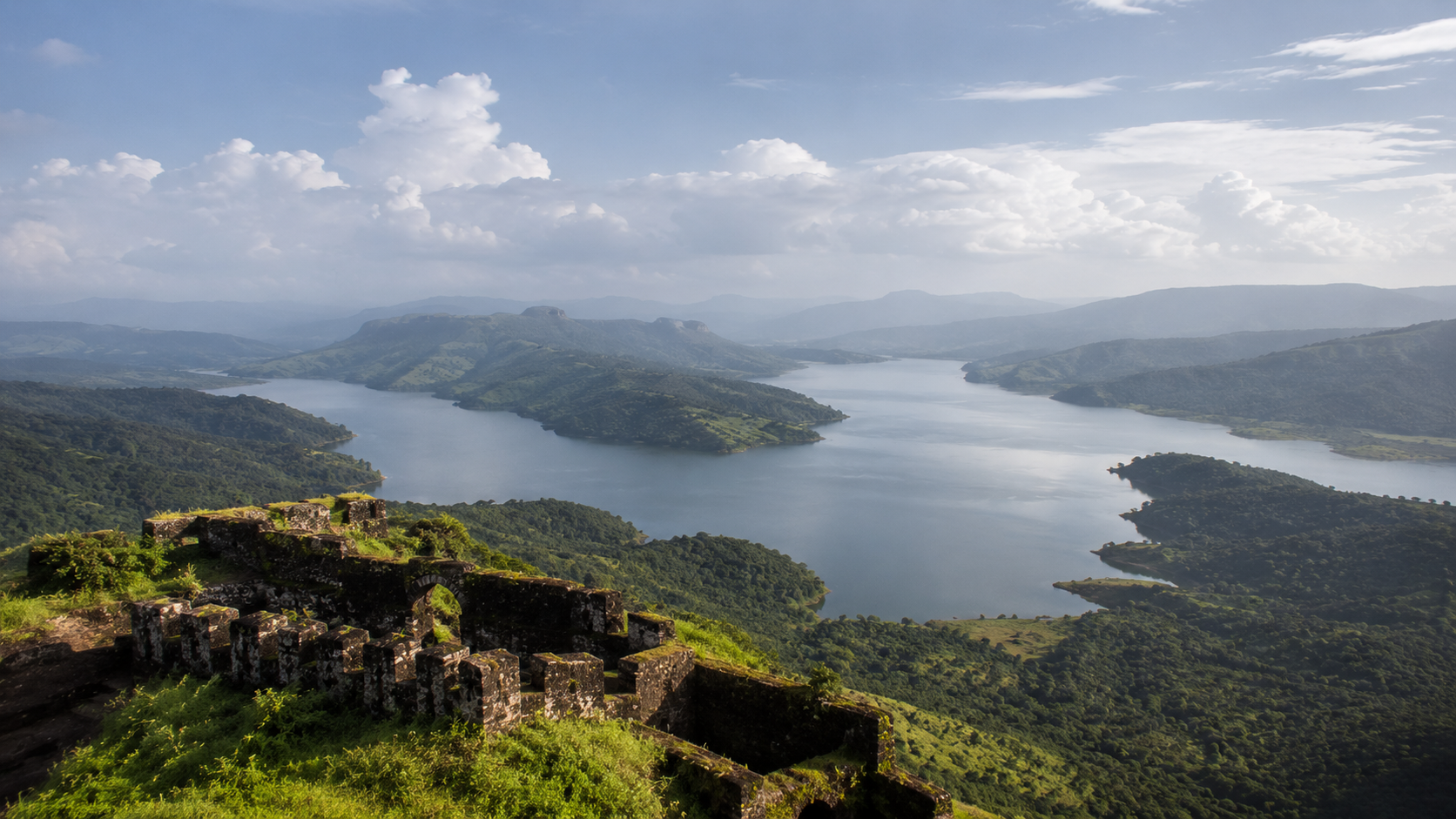
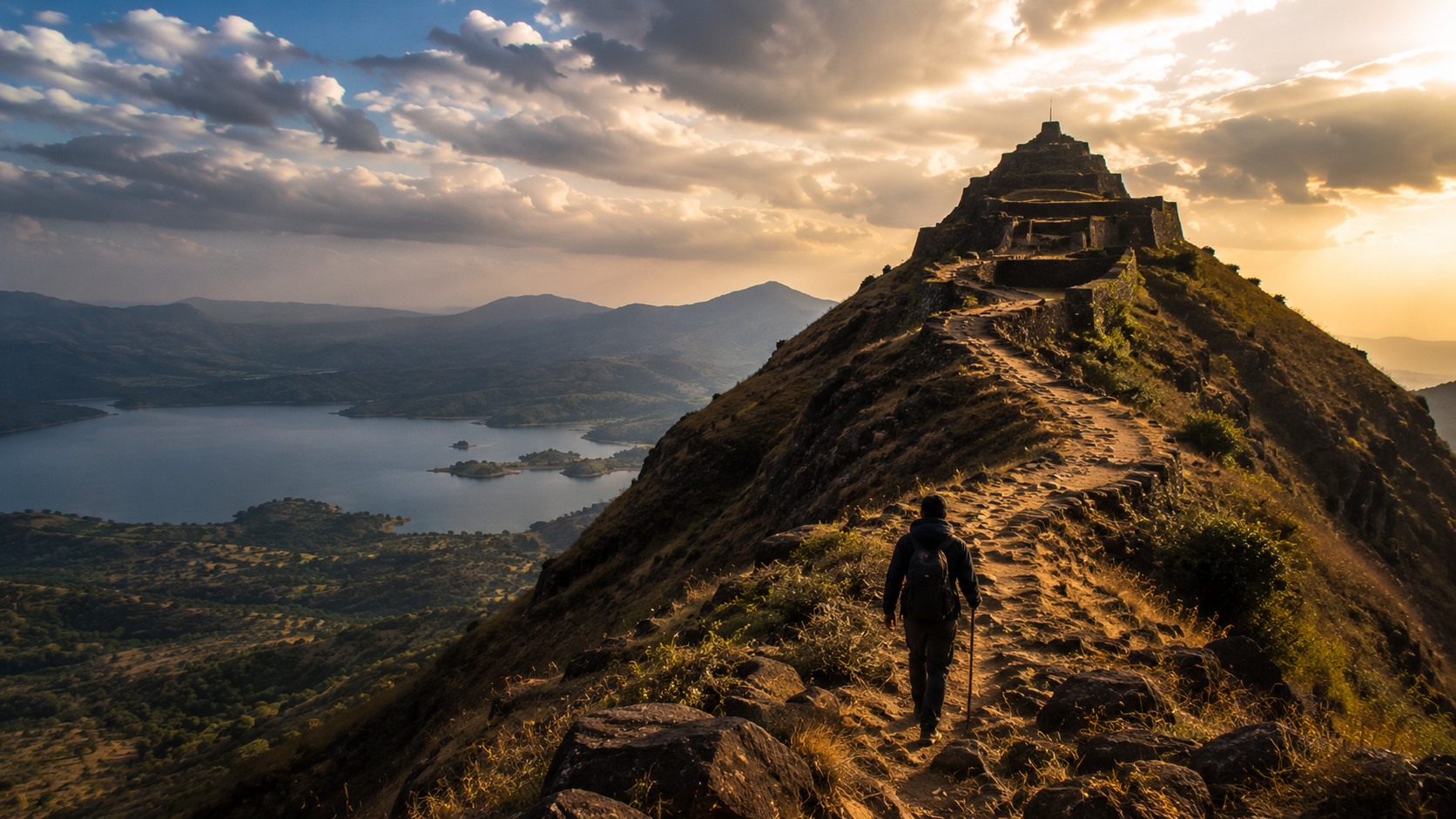
Tikona Fort trek: A moderately challenging trek to a pyramid-shaped fort with excellent views over the lake — a natural pairing with a camping trip.
Bonfire evenings: The classic Pawna Lake experience — most campsites include a managed bonfire as part of the package.
Stargazing: With less light pollution than the city, clear nights (especially October–February) offer some of the better stargazing conditions within easy reach of Mumbai and Pune.
Boating: Some registered campsites offer boating on the lake — only go out with operators providing life jackets and visible safety measures.
Visiting Bhaja & Karla Caves: Ancient Buddhist rock-cut caves a short drive away, worth combining with a Pawna Lake trip if you have extra time.
Food Guide
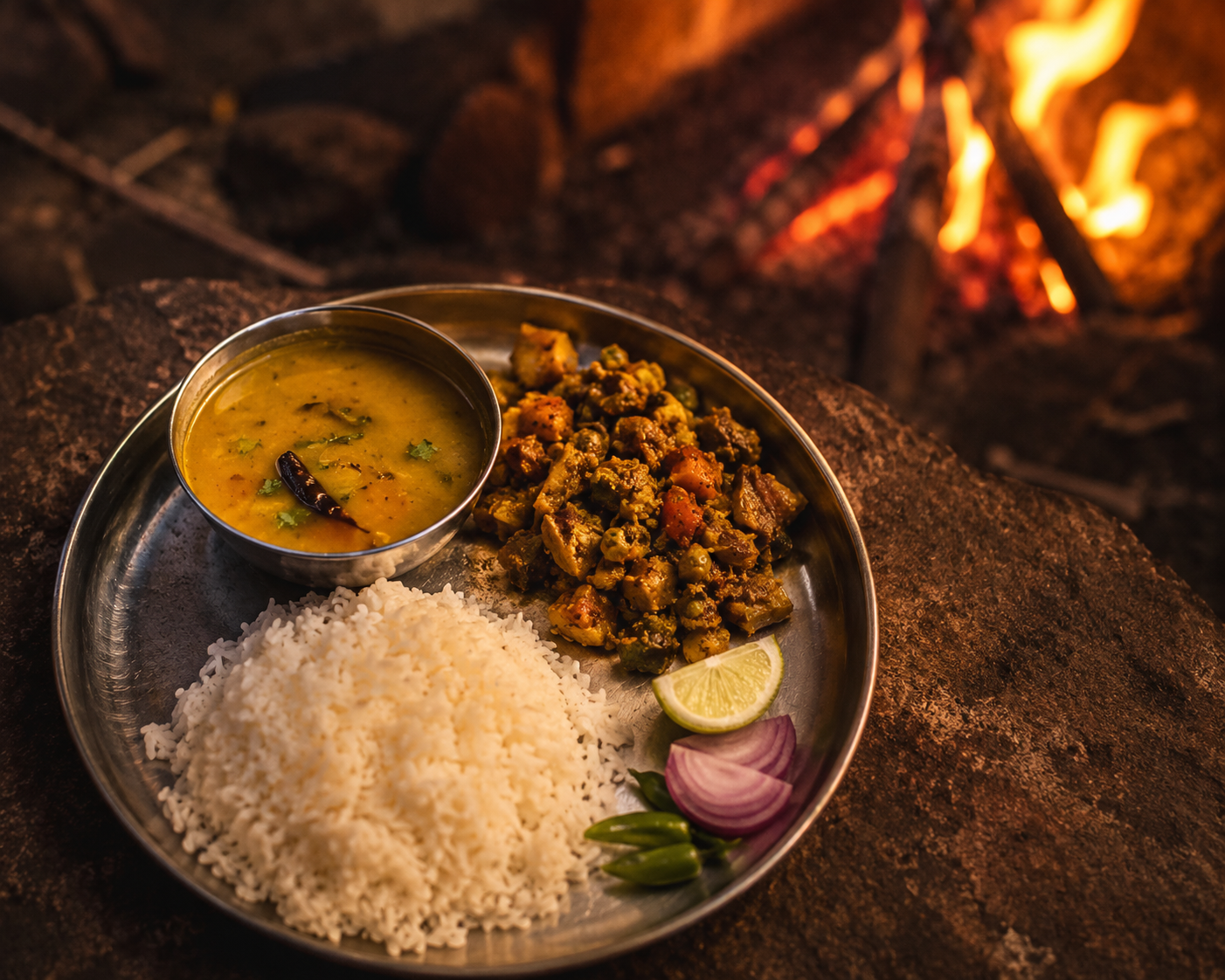
Must-try: Most camping packages include a simple, home-style Maharashtrian dinner and breakfast — expect dal, rice, sabzi, and chapati, sometimes with a barbecue option at premium campsites.
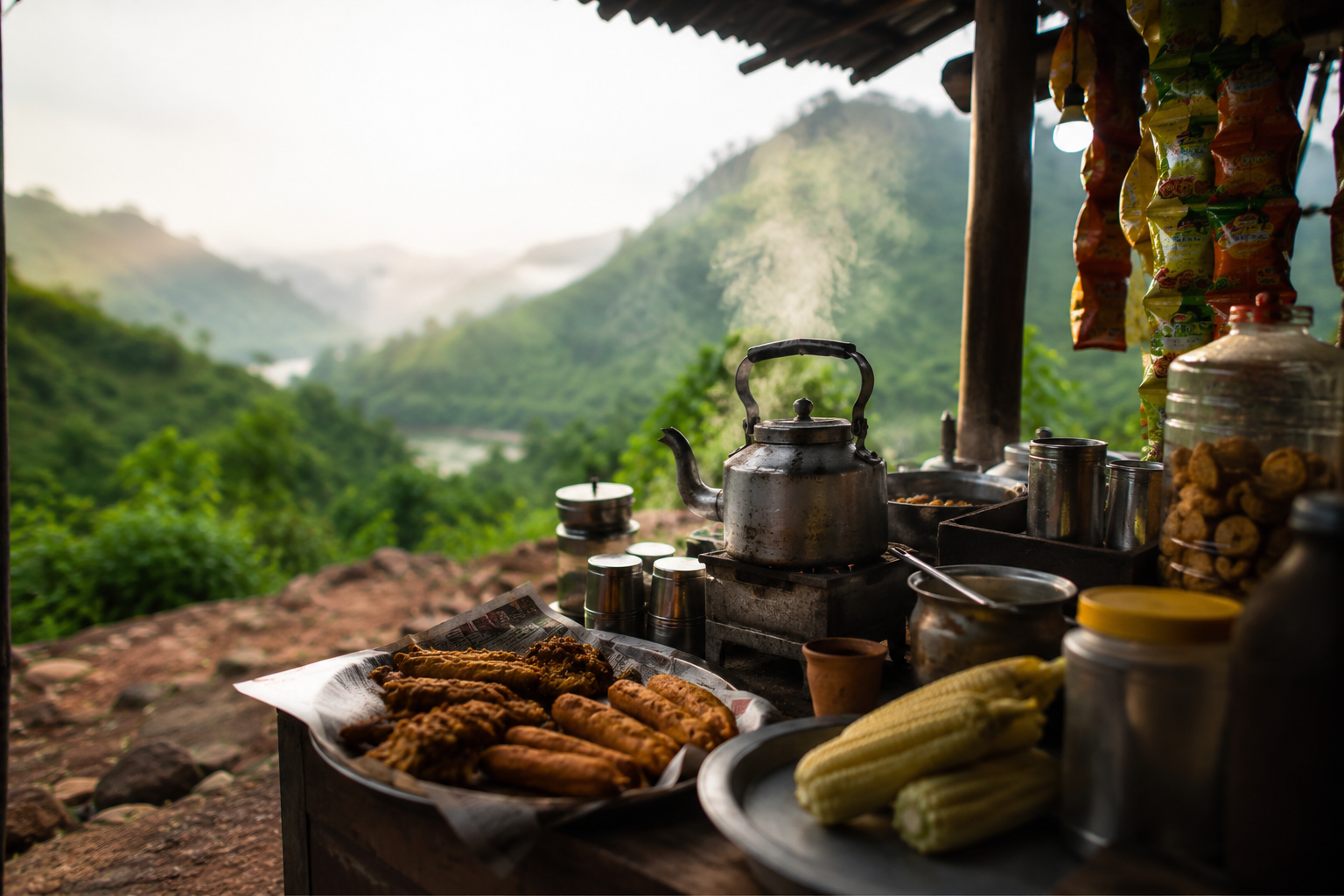
Street food: Limited directly at the lake; small stalls near Kamshet town sell corn, tea, and snacks.
Restaurants: Very few standalone restaurants right at the lake — most food is tied to your camping package.
Budget: ₹300–700 per person if arranging food separately from your camping package.
Veg/Non-Veg: Both are usually available at organised campsites; confirm with your operator in advance if you have specific dietary needs.
How to Reach Pawna Lake
From Mumbai: Approximately 100–110 km via the Mumbai–Pune Expressway or old highway, exiting toward Kamshet and continuing on local roads to the lake — roughly a 2.5–3 hour drive.
From Pune: Approximately 55–60 km via Kamshet, roughly a 1.5–2 hour drive.
By train: Kamshet Railway Station is the nearest rail link; most campsites arrange local pickup from the station if requested in advance.
Suggested Itinerary (1 Night / 2 Days)
Day 1
- Afternoon: Depart Mumbai/Pune and arrive at your registered campsite by evening; check in and settle into your tent.
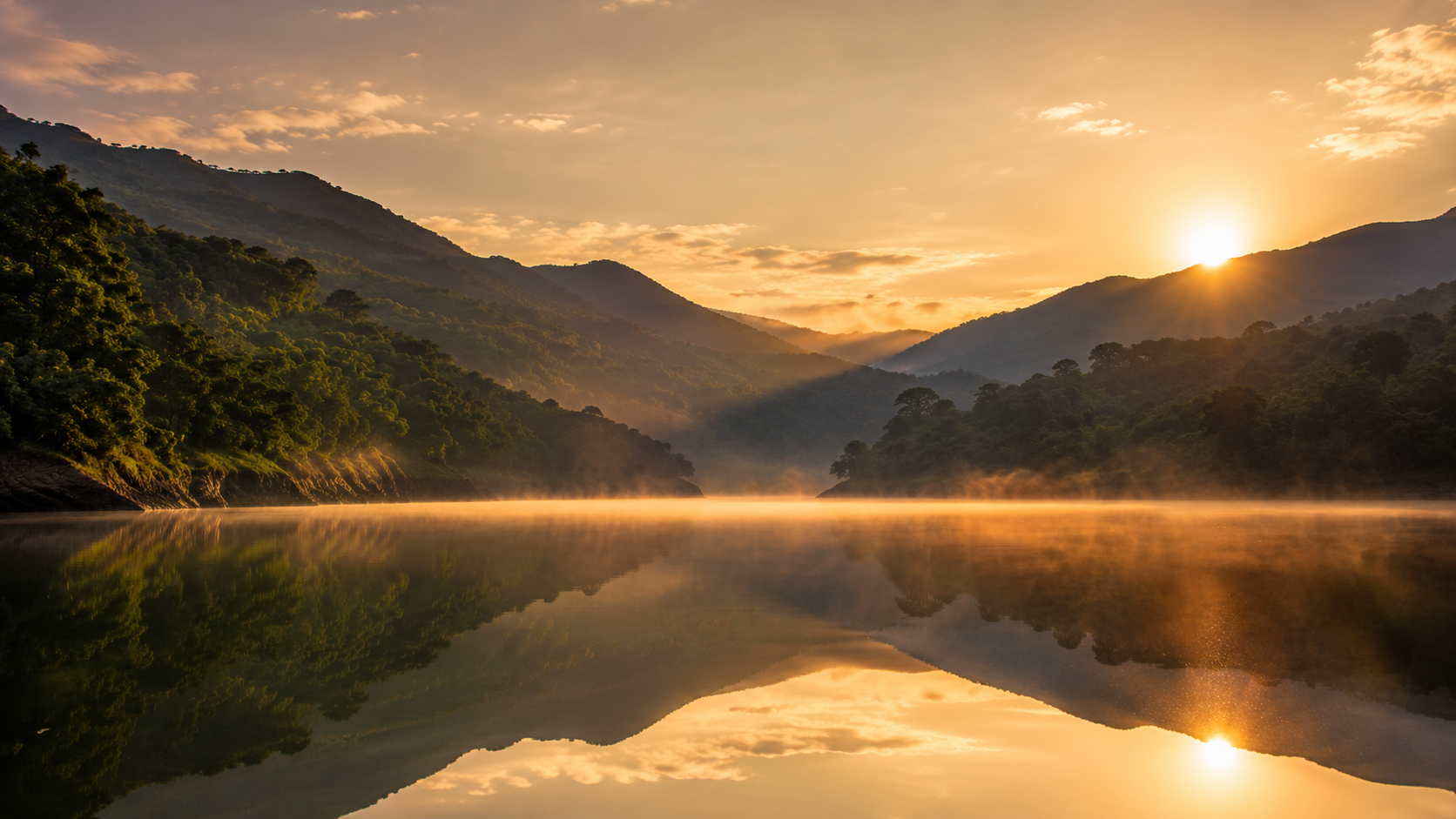
- Evening: Bonfire dinner by the lake; enjoy the sunset over the water.
- Night: Stargazing if skies are clear (best October–February).
Day 2
- Morning: Sunrise over the lake, followed by breakfast at the campsite.
- Late Morning: Attempt the Tikona Fort trek if you’re up for a moderate climb.
- Afternoon: Check out and begin the drive back, optionally stopping at Bhaja or Karla Caves along the way.
Estimated Budget (Per Person, Overnight Trip)
| Category | Approximate Cost |
|---|---|
| Transportation (fuel/shared cab/train) | ₹500–1,500 |
| Camping package (tent, meals, bonfire) | ₹1,200–3,500 |
| Optional activities (boating, trek guide) | ₹0–500 |
| Emergency buffer | ₹200–500 |
| Estimated Total | ₹1,900–6,000 |
These are indicative figures — always confirm current camping package prices and inclusions directly with your chosen operator.
Packing Checklist
- Comfortable, weather-appropriate clothing, plus a warm layer for cooler nights
- Sturdy shoes if attempting the Tikona Fort trek
- A torch or headlamp, as lighting around campsites can be limited
- A power bank, since charging points may be limited
- Personal toiletries and a small towel
- Insect repellent
- Cash in small denominations for local stalls, as digital payment acceptance can be inconsistent
- A light rain jacket if visiting during monsoon
- Any personal medication you may need
Safety Tips
- Book only with a registered, verifiable campsite operator — this is genuinely the single most important safety decision for a Pawna Lake trip, given the area’s history of unregulated camping issues.
- Avoid swimming in the lake, particularly at night or after drinking — currents and depth can be unpredictable, and there have been drowning incidents at unregulated spots in the past.
- Keep a safe distance from the water’s edge when walking around the campsite at night.
- Ensure your campsite manages the bonfire safely and responsibly, with water or sand on hand and the fire fully extinguished before anyone sleeps.
- Do not venture onto Tikona Fort’s trail during heavy rain or low visibility, as the rocky sections become slippery.
- Keep valuables secured, and avoid leaving expensive items unattended in open camping areas.
- Carry a charged phone and share your campsite location with someone not travelling with you.
- Avoid excessive alcohol consumption, particularly near the water.
Frequently Asked Questions
1. How far is Pawna Lake from Mumbai? Pawna Lake is approximately 100–110 km from Mumbai, roughly a 2.5–3 hour drive via the Mumbai–Pune Expressway or old highway toward Kamshet.
2. Is camping at Pawna Lake safe? It’s generally safe when booked with a registered, verifiable campsite operator; the area has had safety issues linked specifically to unregulated, informal camps, so choosing a legitimate operator matters more here than at most destinations.
3. What is the best time to visit Pawna Lake for camping? October to February offers the most pleasant weather and clearest skies for stargazing, while monsoon (June–September) brings lush scenery but sometimes restricted access at certain traditional camping spots.
4. How much does camping at Pawna Lake cost? Basic tent stays start around ₹500–900 per person, while standard packages including meals and a bonfire typically range from ₹1,200–2,000 per person — always confirm current pricing with your operator.
5. Can I combine a Pawna Lake trip with the Tikona Fort trek? Yes, Tikona Fort is one of the most popular pairings with Pawna Lake camping, offering a moderate trek with excellent views over the lake.
6. Is it safe to swim in Pawna Lake? Swimming is generally discouraged, particularly at night or in unmonitored areas, due to unpredictable currents and depth — stick to activities offered by your registered campsite instead.
7. How do I reach Pawna Lake by public transport? The nearest railway station is Kamshet, from where most registered campsites can arrange local pickup if requested in advance.
8. Is Pawna Lake camping suitable for families with children? Yes, with a reputable, registered campsite that has appropriate safety measures in place; families should keep a close eye on children near the water’s edge at all times.
9. What should I look for to avoid an unsafe or illegal campsite? Look for registration or a verifiable operating history, safe distance from the water’s edge, visible safety measures like a managed bonfire area, and clear, upfront communication about inclusions and pricing.
10. Is one night enough for a Pawna Lake camping trip? Yes, a single overnight stay is the standard and most popular format, giving you a sunset, bonfire evening, stargazing, and a sunrise, with time for the Tikona Fort trek the next morning if desired.
Conclusion
Pawna Lake earns its popularity honestly — there’s something genuinely restorative about a bonfire evening by still water, away from the city, with a fort silhouette on the horizon and (on a clear night) more stars than you’ll see in Mumbai all year. Just make the one decision that matters most: book with a registered, safety-conscious campsite, not the cheapest tent you can find on the water’s edge. Get that right, and Pawna Lake delivers exactly the reset it promises.
Planning a Pawna Lake camping trip and want the details sorted safely? 365 Days Journeys can put together:
- A personalised itinerary matched to your group size and travel dates
- Verified, registered campsite recommendations with safety credentials checked
- Group and corporate camping packages for larger outings
- Custom route planning, including the best pickup points if travelling by train
- A custom travel consultation to time your trip around the clearest skies for stargazing
Get in touch with 365 Days Journeys to plan a Pawna Lake camping trip that’s relaxing, safe, and built around exactly how you like to travel.