Igatpuri Travel Guide: Treks, Meditation & Monsoon Escapes (2026)

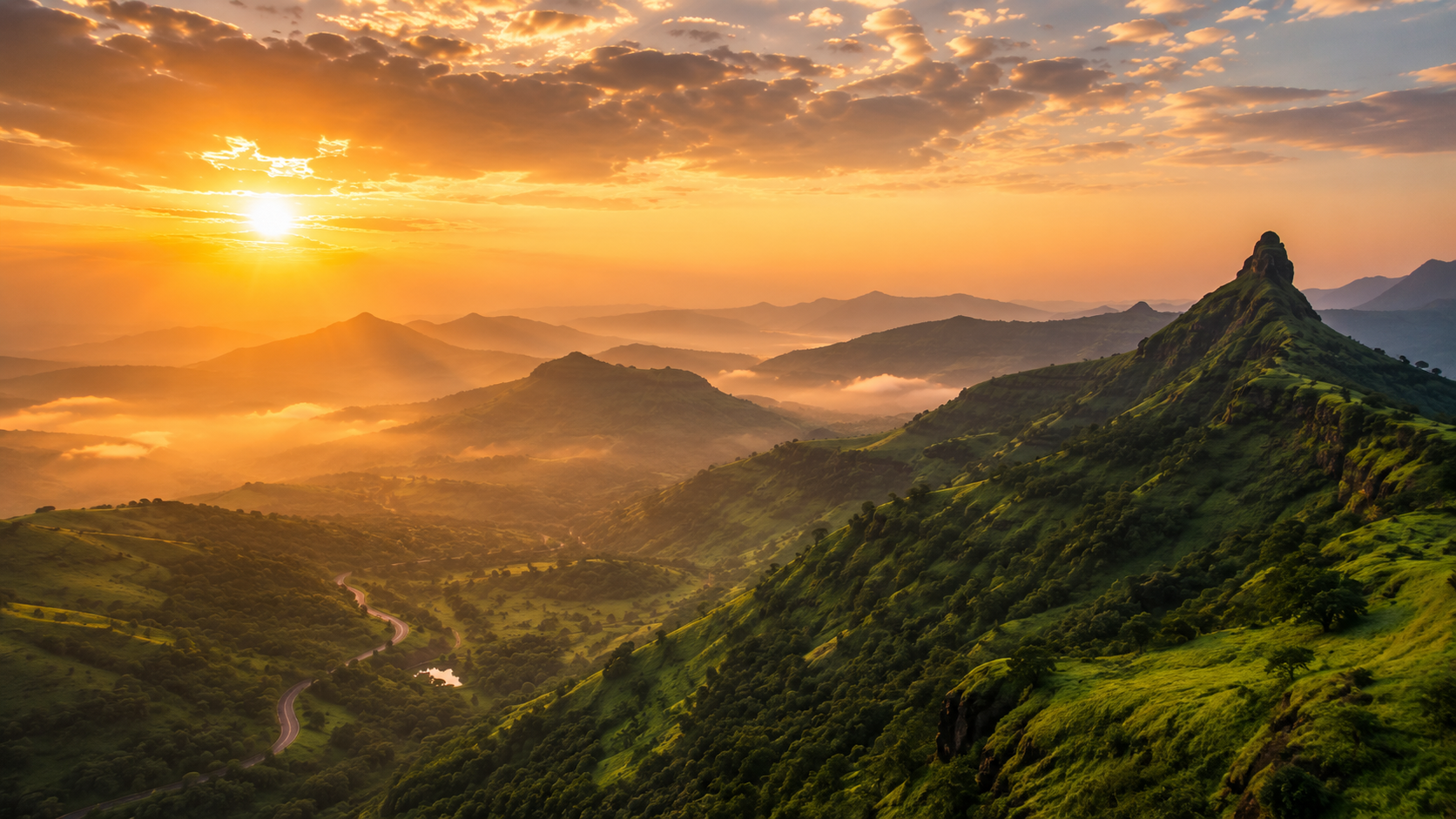
Igatpuri doesn’t quite fit the usual hill-station mould. It’s not chasing the chikki-shop, resort-pool crowd that Lonavala pulls in — instead, it’s built a reputation on two very different things: some of the most demanding, photogenic forts in the Sahyadris, and one of the world’s largest meditation centres, sitting quietly at the edge of town. That combination alone makes it one of the more interesting weekend trips near Mumbai.
Whether you’re coming to attempt the near-vertical staircase up Harihar Fort, sit in ten days of silence at Dhamma Giri, or just enjoy a quiet monsoon drive through mist-covered hills, this guide covers everything you need to plan your trip to Igatpuri — what to see, what to eat, where to stay, and what to know before you go.
Quick Information
| Detail | Information |
|---|---|
| Best Time to Visit | June–September for treks and greenery; October–February for pleasant, clear weather |
| Ideal Duration | 1–2 days |
| Budget | ₹2,500–5,000 per person |
| Nearest Airport | Mumbai (approx. 120 km) or Nashik (approx. 45 km) |
| Nearest Railway Station | Igatpuri Railway Station (on the Mumbai–Nashik line) |
| Road Connectivity | Well connected via NH160 (Mumbai–Nashik highway) |
| Best For | Trekkers, meditation retreat seekers, backpackers, monsoon road trippers |
| Difficulty Level | Easy to Difficult (varies significantly by activity) |
Prices and timings vary seasonally — always verify current rates before travelling.
Why Visit Igatpuri
Most hill stations near Mumbai ask you to pick a lane — trekking destination or relaxation spot, adventure base or quiet retreat. Igatpuri doesn’t really ask you to choose. You can spend a morning white-knuckling your way up Harihar Fort’s famous staircase and an evening sitting in complete silence a few kilometres away at Dhamma Giri. Add genuinely dramatic monsoon scenery, easy train access from Mumbai, and a lower tourist density than Lonavala or Matheran, and you’ve got a destination that rewards travellers looking for something a little more textured than the usual weekend circuit.
Top Attractions
Harihar Fort
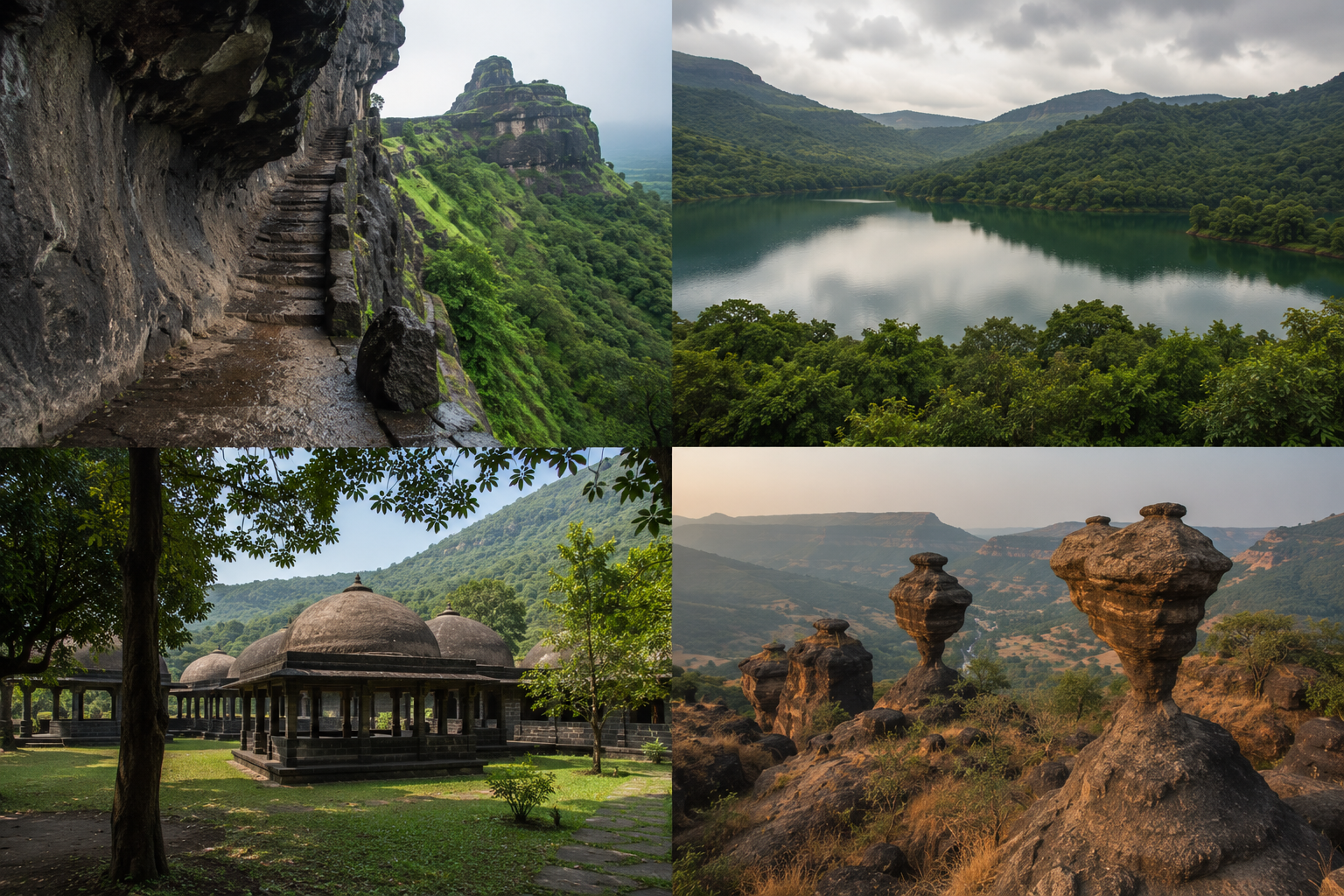
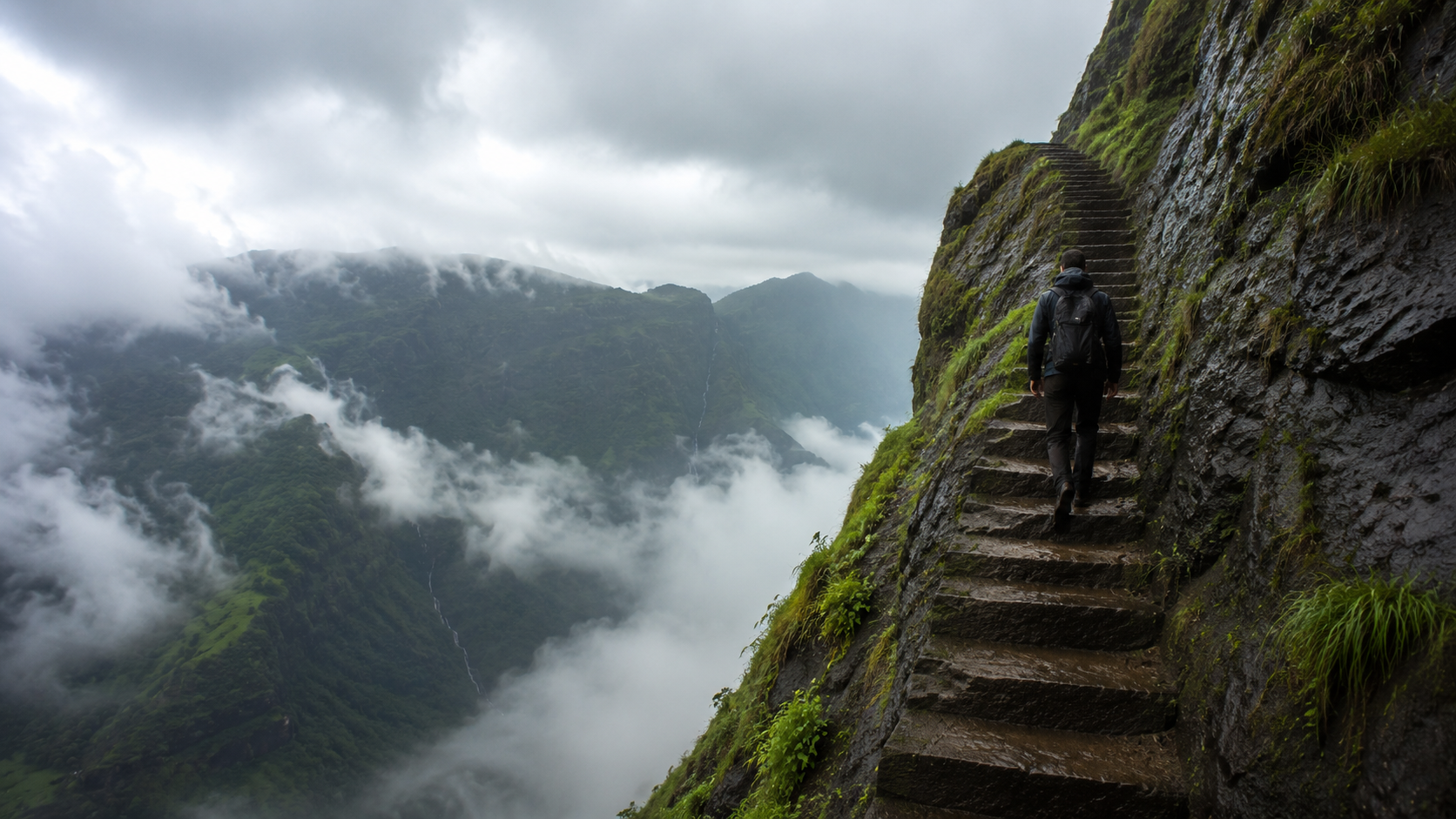
Description: Famous across Maharashtra for its near-vertical rock-cut staircase carved directly into the cliff face, Harihar is one of the most photographed — and most demanding — forts in the Sahyadris. Time Required: Half day Entry Fee: Free Tips: This is strictly for experienced trekkers with proper grip footwear; the stone steps become dangerously slippery in the rain, and this is not a monsoon trek for beginners.
Tringalwadi Fort & Lake
Description: A moderate trek to a smaller fort, with a genuinely beautiful lake at the base that makes this a good option for those wanting scenery without Harihar’s extreme difficulty. Time Required: Half day Entry Fee: Free Tips: A good choice for beginner-to-intermediate trekkers looking for their first monsoon trek near Mumbai.
Vipassana International Academy (Dhamma Giri)
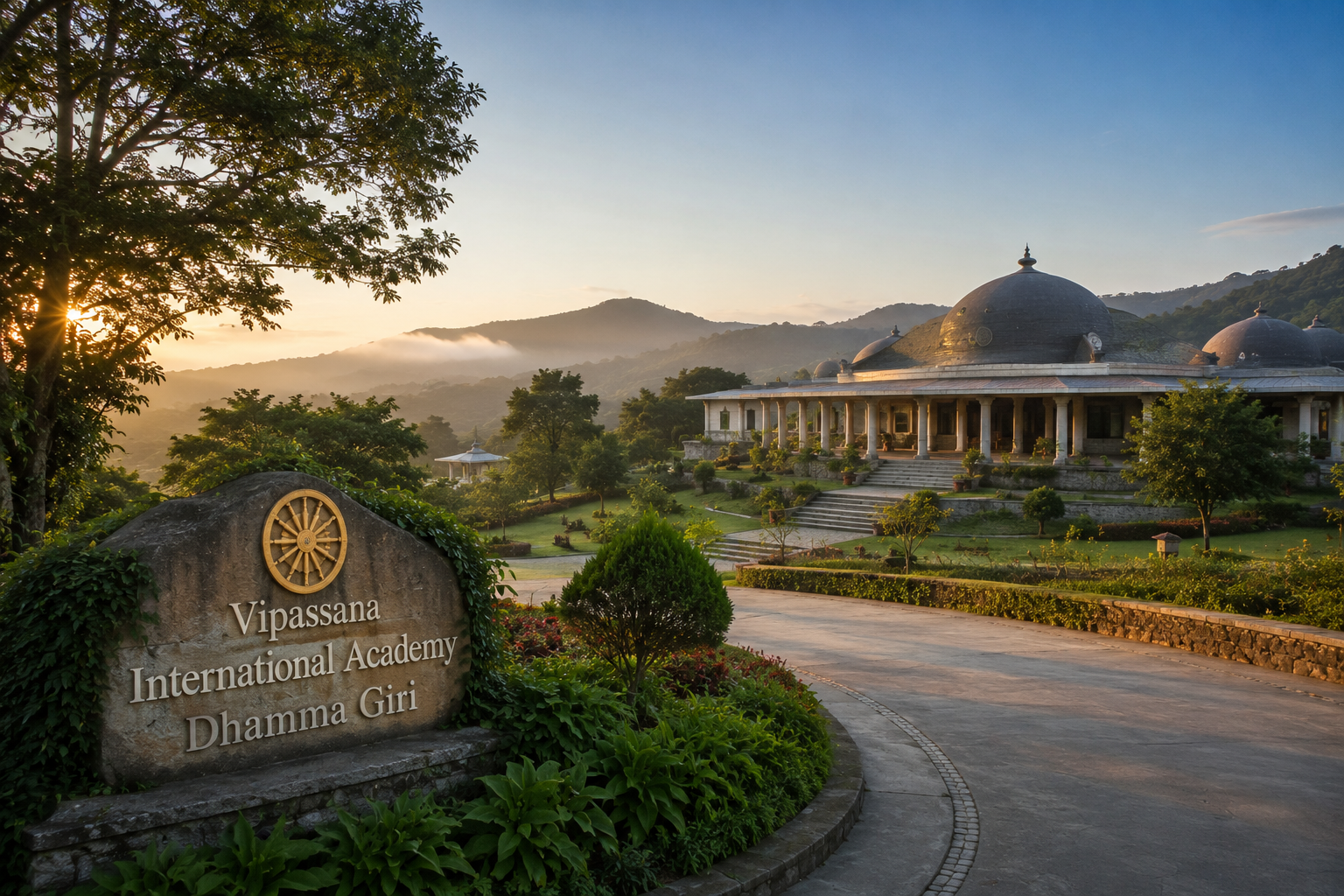
Description: One of the largest Vipassana meditation centres in the world, offering ten-day silent meditation courses in a peaceful, forested setting. Time Required: 10 days for a full course; short visits also possible Entry Fee: Courses run on a donation basis; check the current registration process on the official website before planning Tips: Advance booking is required for courses, and casual sightseeing inside is limited out of respect for participants in silence.
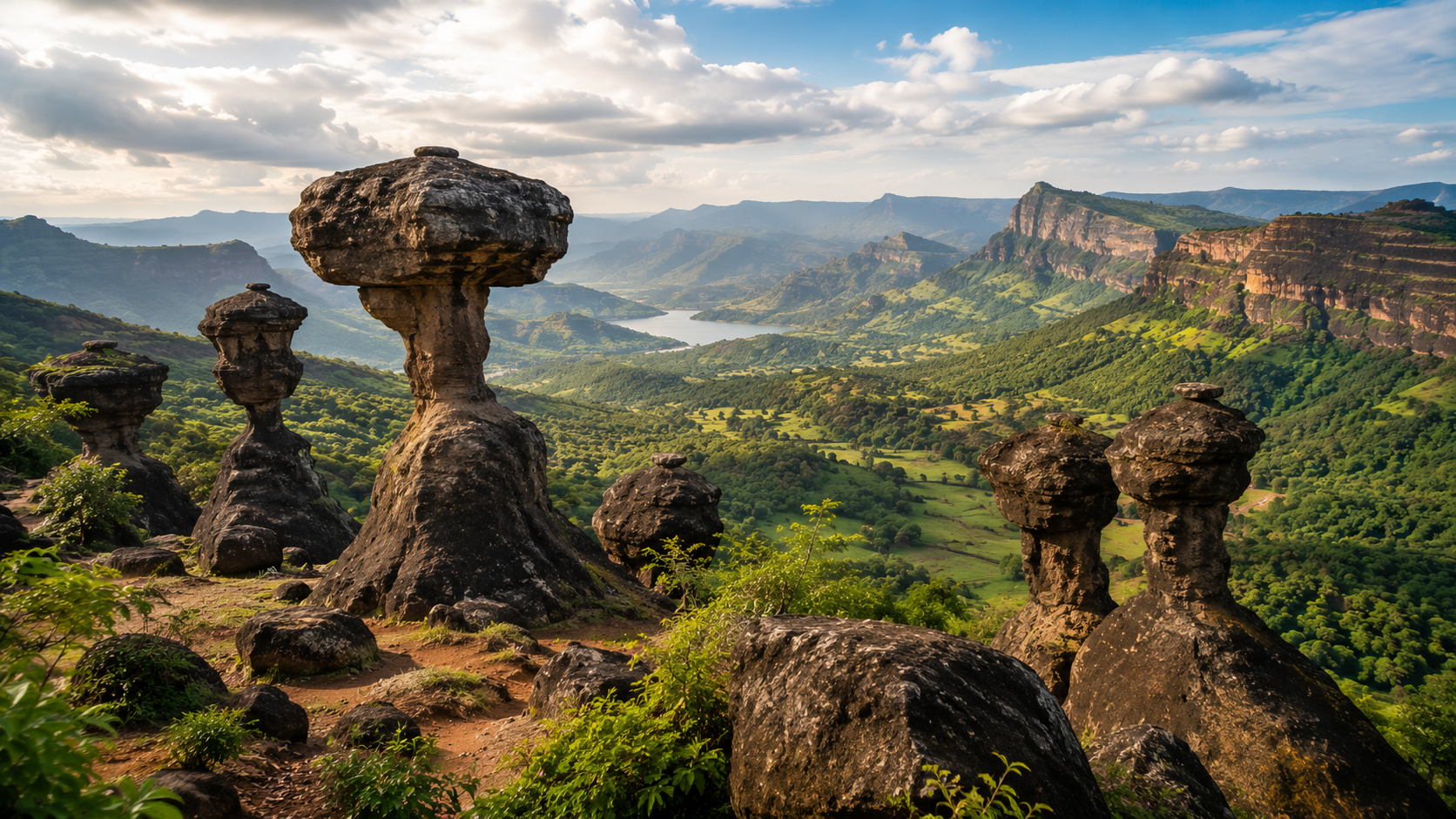
Camel Valley
Description: A lesser-known viewpoint with unusual rock formations, offering a quieter alternative to the more crowded trekking spots. Time Required: 1–2 hours Entry Fee: Free Tips: Best visited early morning or late afternoon for the most flattering light on the rock formations.
Hidden Places
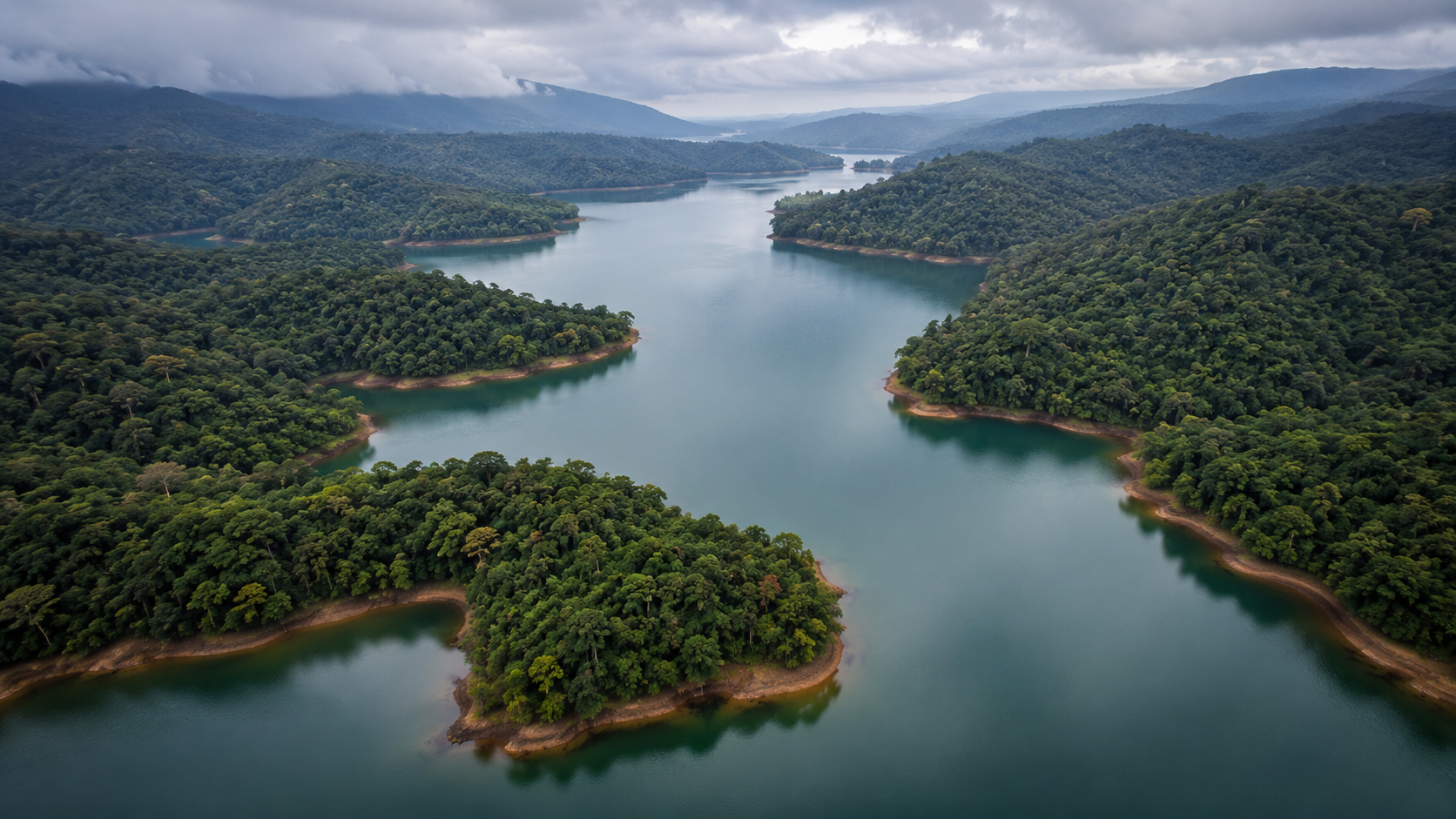
- Vaitarna Backwaters — a peaceful, largely undiscovered stretch of water near Igatpuri, good for a quiet picnic or short boat ride away from the main tourist trail.
- Bhavali Dam — a smaller dam near Igatpuri known locally for its calm waters and, in season, a modest waterfall — a good offbeat stop if you have extra time.
- Kavnai Fort — a lesser-visited fort near Igatpuri that sees a fraction of Harihar’s footfall, good for travellers wanting a quieter trekking experience.
Local Experiences
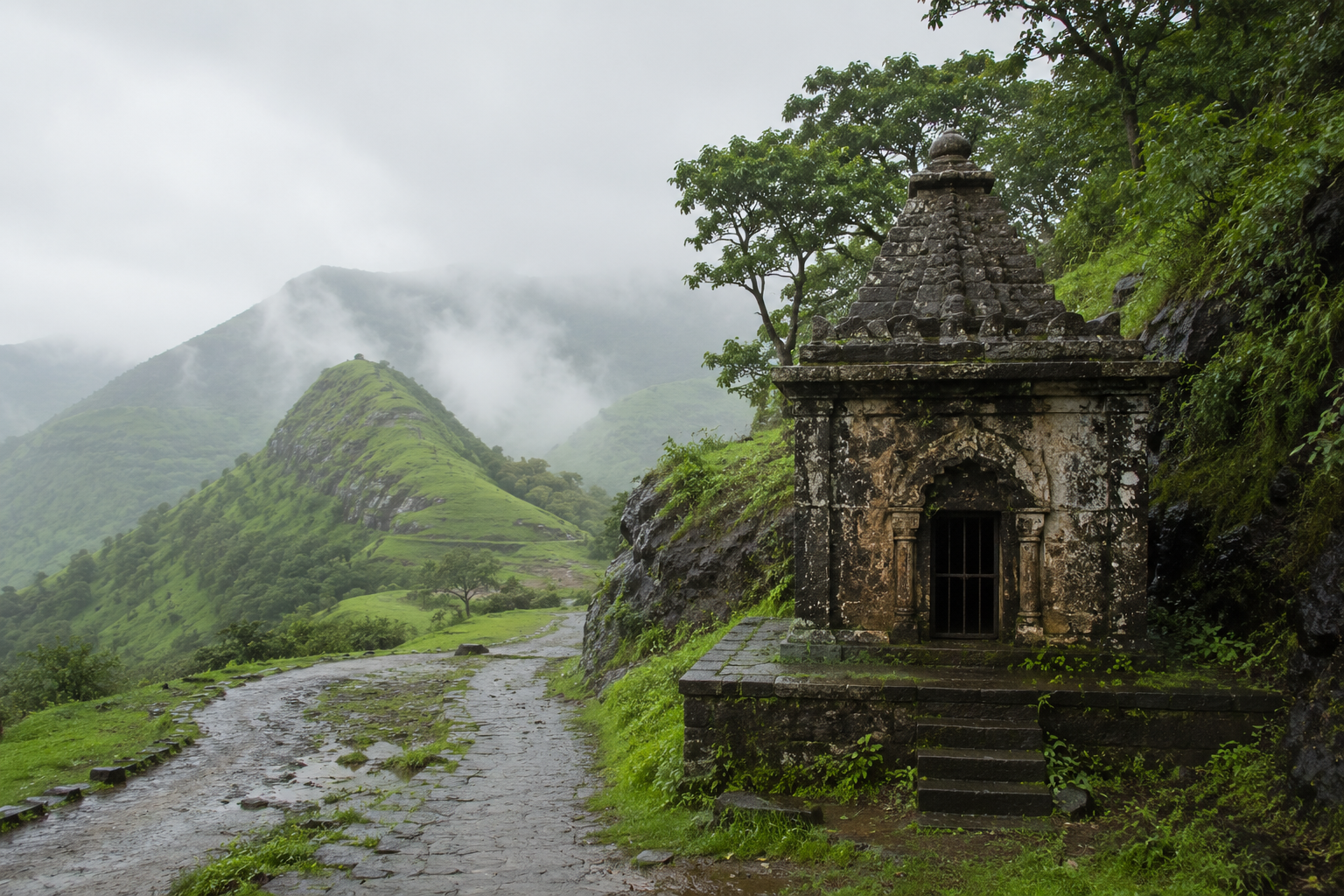
Markets: Small local markets near Igatpuri station sell regional produce, snacks, and basic trekking supplies.
Culture: A blend of two very different worlds — the trekking and adventure culture around the forts, and the spiritual, contemplative atmosphere around the Vipassana centre.
Photography: Harihar’s rock-cut staircase and the misty valleys around Tringalwadi are the two standout photography opportunities in the region.
Sunrise: Camel Valley on a clear morning offers a quiet, uncrowded sunrise spot.
Sunset: The Tringalwadi lake area is a peaceful place to watch the evening light fade over the water.
Festivals: Local harvest-related festivals happen in surrounding villages through the year; timings vary, so ask locally if you’re interested in experiencing one respectfully.
Food Guide
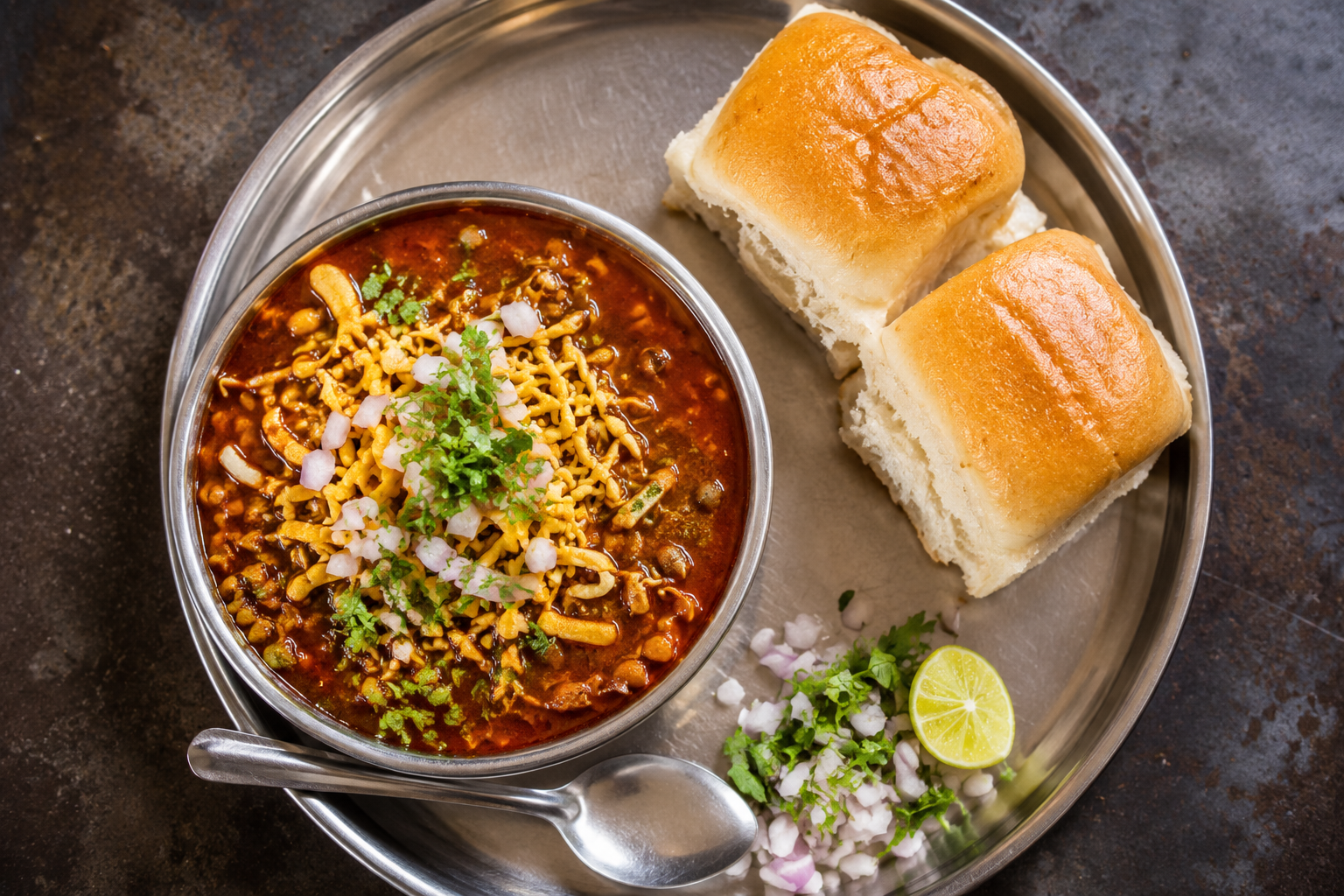
Must-try dishes: Local Maharashtrian thalis, and given the short distance to Nashik, Nashik-style misal pav is widely available and worth trying.
Street food: Corn, bhajiya, and tea stalls near the railway station and at the base of the main trekking trails.
Restaurants: Simple, local eateries dominate — nothing elaborate, but reliably good, home-style cooking.
Cafes: A handful of basic tea stalls rather than formal cafes; this isn’t a destination built around café culture.
Desserts: Local sweets available in small shops near the town centre.
Budget: ₹300–700 per person for meals across the day.
Veg/Non-Veg: Predominantly vegetarian, in keeping with the area’s strong Vipassana and pilgrimage-adjacent character.
Adventure Activities
Harihar Fort Trek
Price Range: Free Best Season: Early monsoon for greenery, but check conditions closely before attempting Difficulty: Difficult Safety Tip: Do not attempt this trek in wet conditions without proper trekking shoes and an experienced guide — the rock-cut steps have minimal grip when wet.
Tringalwadi Fort Trek
Price Range: Free Best Season: Monsoon, for the lushest scenery Difficulty: Moderate Safety Tip: Carry a walking stick for grip and avoid the trail during active heavy rainfall.
Boating at Vaitarna Backwaters / Bhavali Dam
Price Range: Nominal, confirm current rates locally Best Season: Post-monsoon for calmer waters Difficulty: Easy Safety Tip: Use only registered, permitted boat operators with life jackets provided.
Where to Stay
Budget: Simple guesthouses near Igatpuri town, ₹1,200–2,500/night.
Mid-range: Resorts near Tringalwadi and the Vaitarna backwaters, ₹3,500–6,000/night.
Luxury: A few premium eco-resorts in the surrounding countryside.
Hostels: Limited but growing backpacker options, given the area’s popularity with trekkers.
Camping: Available near Tringalwadi Lake and Vaitarna backwaters through local operators — book only with registered, permitted sites.
Suggested Itinerary (2 Days)
Day 1
- Morning: Depart Mumbai early via the Mumbai–Nashik highway; arrive in Igatpuri by mid-morning.
- Afternoon: Attempt the Tringalwadi Fort trek (a good warm-up before the more demanding Harihar climb).
- Evening: Sunset at the Tringalwadi lake area; simple dinner at a local eatery.
Day 2
- Morning: Early start for the Harihar Fort trek — only for fit, well-prepared trekkers.
- Afternoon: Rest, followed by a visit to Camel Valley for photography.
- Evening: Begin the drive back to Mumbai, stopping for tea and snacks along the highway.
Alternative Day 2 for a quieter trip: swap the Harihar trek for a peaceful visit to the Vaitarna backwaters or a short session exploring the grounds around Dhamma Giri (respecting course participants’ silence).
Estimated Budget (Per Person, 2-Day Trip)
| Category | Approximate Cost |
|---|---|
| Transportation (fuel/train) | ₹600–1,800 |
| Accommodation (1 night) | ₹1,200–6,000 |
| Food | ₹600–1,400 |
| Activities (guide fees, boating) | ₹0–800 |
| Shopping | ₹100–400 |
| Emergency buffer | ₹300–800 |
| Estimated Total | ₹2,800–11,200 |
These figures vary by travel style and season — always check current prices for stays and activities before finalising your trip.
Packing Checklist
- Sturdy trekking shoes with strong grip — essential for Harihar and Tringalwadi
- Quick-dry clothing and a spare set of clothes
- A raincoat or poncho if travelling in monsoon
- A basic first-aid kit
- Insect repellent
- A power bank, as charging access can be limited near the trekking bases
- Cash in small denominations, since digital payment acceptance is inconsistent in remote spots
- A torch or headlamp
- Reusable water bottle and energy snacks for treks
Safety Tips
- Check weather conditions before attempting the Harihar Fort trek — this trail is genuinely dangerous in wet, low-visibility conditions and is not suitable for beginners.
- Avoid trekking alone; go with an experienced group or local guide, especially on Harihar.
- Never attempt fort treks during active thunderstorms.
- Stay on marked trails and avoid shortcuts near cliff edges.
- Carry a charged phone and inform someone of your route before attempting any trek.
- If visiting for a Vipassana course, follow the centre’s guidelines closely and respect the silence of other participants even during casual visits to the grounds.
- Drive cautiously on the ghat sections of the Mumbai–Nashik highway during monsoon.
Photography Tips
- Shoot Harihar’s staircase early morning for the best light and fewer trekkers in frame.
- A wide-angle lens works well for the valley views at Camel Valley and Tringalwadi.
- Carry a lens cloth — monsoon spray and mist can affect visibility quickly.
- For the lake at Tringalwadi, a polarising filter helps cut glare and bring out the water’s colour.
- Golden-hour light (early morning or just before sunset) gives the best results across most of Igatpuri’s viewpoints.
Frequently Asked Questions
1. What is Igatpuri best known for? Igatpuri is best known for the demanding Harihar Fort trek and for being home to Dhamma Giri, one of the world’s largest Vipassana meditation centres.
2. How do I reach Igatpuri from Mumbai? Igatpuri is well connected by both road (via the Mumbai–Nashik highway) and rail, with Igatpuri Railway Station sitting directly on the Mumbai–Nashik line.
3. Is the Harihar Fort trek suitable for beginners? No, the rock-cut staircase is steep and becomes dangerously slippery when wet, making it more suitable for experienced trekkers with proper footwear and guidance.
4. How do I book a Vipassana course at Dhamma Giri? Courses are booked in advance through the official Vipassana registration process; check the current process and availability on the official website before planning your visit.
5. What is the best time to visit Igatpuri? June to September is best for trekking and lush monsoon greenery, while October to February offers more comfortable, clearer weather.
6. Is Igatpuri a good one-day trip from Mumbai? Yes, it works well as a long day trip given the train and highway connectivity, though a 2-day trip allows for both a trek and a more relaxed pace.
7. Are there easier treks near Igatpuri for beginners? Yes, the Tringalwadi Fort trek is a good moderate option for beginner-to-intermediate trekkers, offering scenic views without Harihar’s extreme difficulty.
8. Is Igatpuri crowded like Lonavala? No, Igatpuri sees considerably fewer tourists than Lonavala or Matheran, making it a good choice for travellers looking for a quieter experience.
9. What food is Igatpuri known for? Simple Maharashtrian home-style food dominates, along with Nashik-style misal pav, given the short distance to Nashik.
10. Can I combine Igatpuri with a trip to Bhandardara or Nashik? Yes, both are reasonably close and commonly combined with an Igatpuri trip — Bhandardara adds a lake and waterfall-focused extension, while Nashik adds wine tourism and temple visits.
Conclusion
Igatpuri isn’t trying to be the easiest weekend trip near Mumbai, and that’s really its appeal. It asks a little more of you — a harder trek, a longer silence, a slower pace — and gives back genuinely memorable experiences in return. Whether you’re chasing the adrenaline of Harihar’s staircase or the stillness of ten days at Dhamma Giri, this is a hill town built for travellers who want more than just a viewpoint and a chikki shop.
Planning a trip to Igatpuri and want help getting the details right? 365 Days Journeys can put together:
- A personalised itinerary based on your fitness level, interests, and available time
- Trek guide recommendations for Harihar, Tringalwadi, and other nearby forts
- Stay recommendations across every budget, from homestays to eco-resorts
- Group tour packages for trekking groups, friends, or families
- A custom travel consultation to help you plan around Vipassana course dates or trek conditions
Get in touch with 365 Days Journeys to plan an Igatpuri trip that’s built around exactly how you like to travel.